
Picture this: You are doing a deep clean of your kitchen pantry, and tucked away in the very back, you discover a tin of premium matcha you bought months ago. It wasn’t cheap, so you immediately feel a pang of guilt at the thought of throwing it out. But as you wipe the dust off the lid, the inevitable question hits you: does matcha powder expire? The short answer is yes—but not in the way you might think. Unlike milk or fresh meat, matcha does not rot, grow harmful bacteria, or become dangerous to consume once it passes its expiration date. As long as it hasn’t been exposed to moisture, drinking older matcha will not make you sick. However, because it is essentially finely ground tea leaves, it is highly susceptible to oxidation. Over time, that forgotten powder will lose its vibrant green color, its sweet umami flavor, and its potent health benefits.
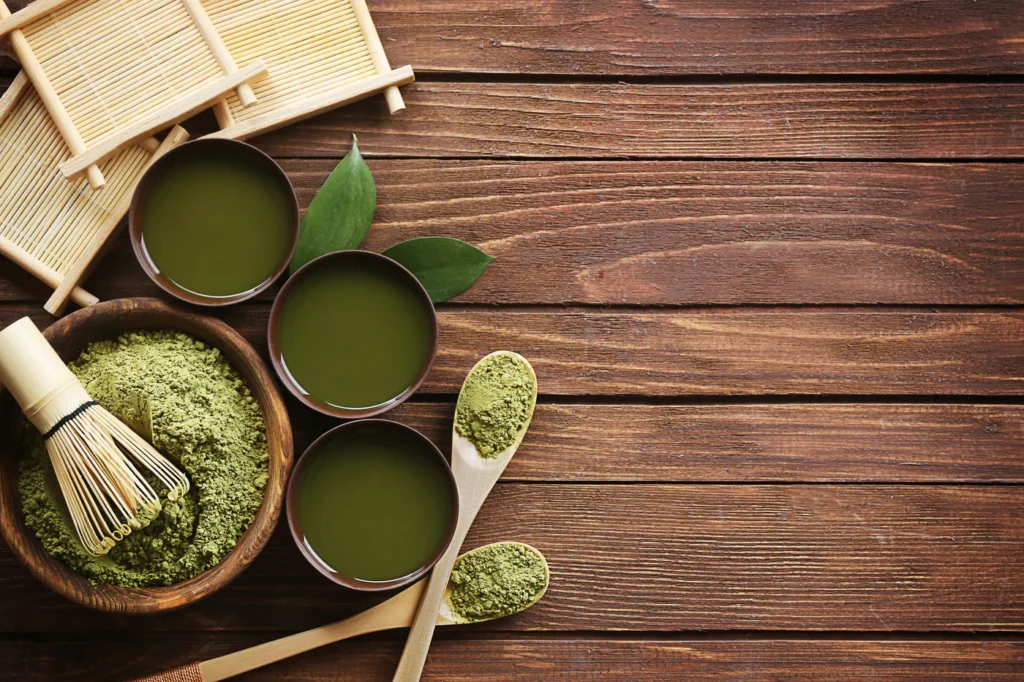
Before you whisk up a cup of that old green tea, let’s break down exactly what happens to your matcha as it ages, how to tell if it is completely past the point of no return, and the storage secrets you need to know so you never waste your money on stale tea again.
The Short Answer: Does Matcha Go Bad?
To clear up the confusion right away, we need to understand the difference between “expired” and “spoiled.” When you look at the bottom of a matcha tin or bag, the date you see is almost always a “Best By” date, not a strict expiration date. Your matcha doesn’t magically become toxic the day after that date passes.
So, what exactly happens to it? It comes down to one simple scientific process: oxidation.
Matcha is simply shade-grown green tea leaves (tencha) that have been dried and stone-ground into a micro-fine powder. Because it is a completely dry product, it lacks the moisture required for bacteria to thrive or mold to grow. It won’t curdle, ferment, or rot on its own. Instead, it degrades. Every time you open the tin, the delicate powder is exposed to the air. Over time, oxygen, ambient light, and natural humidity cause the chemical compounds within the tea leaves to break down.
If by “going bad” you mean becoming dangerous to consume, the answer is no. But if you mean losing its high quality and turning into a flat, lifeless powder, then the answer is a resounding yes. As long as your matcha has been kept strictly dry, drinking an older batch is perfectly safe. It just won’t be the luxurious, soul-soothing cup of tea you originally paid for.
What is the Actual Shelf Life of Matcha Powder?
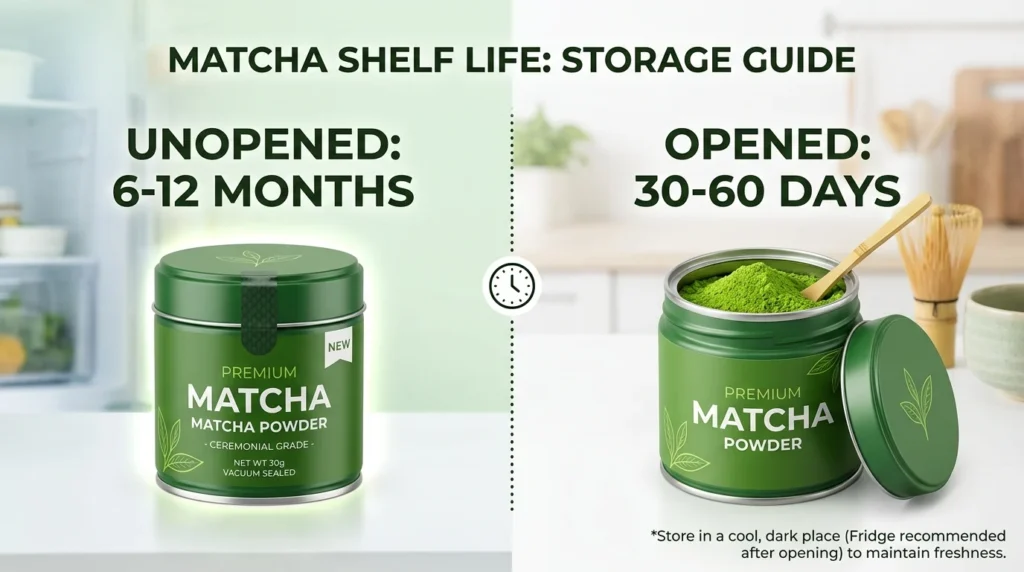
When trying to figure out exactly how long does matcha last, you have to look at the seal. The actual matcha powder shelf life drops dramatically the second you twist off that lid and introduce the powder to the outside world.
Here is the standard timeline you can expect for a high-quality product:
- Unopened Matcha: 6 to 12 months (sometimes up to a year or two, depending on the manufacturer’s packaging). As long as the factory seal is intact and the tin is stored in a cool, dark place, it remains protected from its environment.
- Opened Matcha: 30 to 60 days. Once the seal is broken, the clock starts ticking. For the absolute best flavor and maximum health benefits, you want to consume it within the first one to two months. If stored flawlessly, you might push this to 90 days, but you will still notice a drop in quality.
An Important Insight: Ceremonial vs. Culinary Grade Not all matcha ages at the exact same rate. You might notice that your ultra-premium, expensive ceremonial grade matcha seems to lose its magic faster than a bag of culinary grade matcha you use for baking. This isn’t a flaw; it’s just physics. Ceremonial grade tea leaves are ground much finer to create a smooth, frothy texture. This ultra-fine micro-powder has a much larger surface area, meaning it is exposed to more oxygen at once and will oxidize much faster than the slightly coarser culinary grades.
How to Tell if Your Matcha is Bad (The 3-Step Check)
If you are staring at an older tin and wondering how to tell if matcha is bad, there is no need to guess. You can easily diagnose the health of your tea powder right in your kitchen using your senses. Grab your tin, open the lid, and run it through this simple 3-step diagnostic test.
Step 1: The Color Test (Visual)
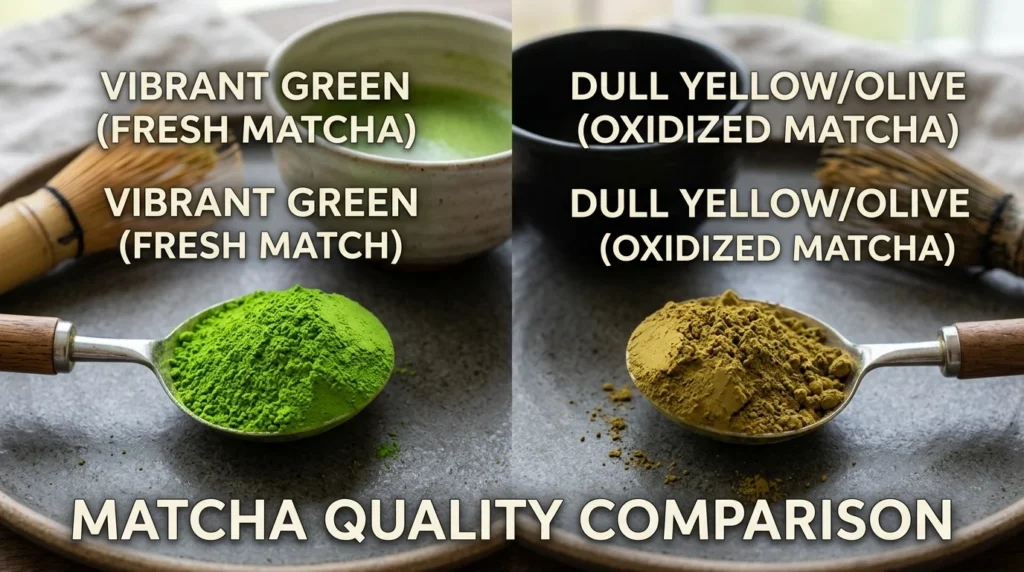
The absolute best indicator of matcha’s freshness is its color. High-quality, fresh matcha should have a vibrant, bright emerald green color. This vibrant hue comes from the high levels of chlorophyll carefully preserved during the shade-growing process.
If you are wondering why did my matcha turn yellow, the culprit is oxygen and light. As the powder oxidizes, the chlorophyll breaks down. If your powder has faded into a dull, yellowish-brown, or swampy olive color, it has oxidized past its prime.
Step 2: The Smell Test (Aroma)
Before you brew, take a deep breath over the open tin. Fresh matcha has a distinct, beautiful aroma. It should smell sweet, fresh, and slightly vegetal—often described as a pleasant, grassy scent or faintly like seaweed.
When matcha is past its prime, those delicate aromatic compounds evaporate. An oxidized batch will smell noticeably stale. Instead of fresh spring grass, it will smell more like dusty, dry hay or old cardboard.
Step 3: The Taste Test (Flavor)
If the color and smell seem borderline, the final test is the brew. A fresh, healthy cup of matcha is famous for its “umami” flavor—a rich, savory, and subtly sweet profile with a smooth, frothy finish. It should never be aggressively bitter.
Expired matcha, on the other hand, tastes flat and unpleasantly bitter. The umami notes completely vanish, leaving behind an astringent, chalky flavor that often needs to be masked with milk or sweeteners. If your tea tastes like stale green tea, its time as a ceremonial drink is over.
Can You Drink Expired Matcha? (Health & Nutrition)
So, can you drink expired matcha? From a strict food safety perspective, yes, you usually can. But if you are drinking it for its legendary health benefits, you might want to reconsider.
A massive part of matcha’s appeal is its incredible nutritional profile. It is prized worldwide for being packed with powerful antioxidants, specifically catechins like EGCG, and the calming, focus-boosting amino acid L-theanine. Unfortunately, these delicate compounds are highly unstable. As the oxidation process breaks down the chlorophyll and turns your vibrant powder into a dull yellow, it is also significantly reducing those health benefits. Drinking expired matcha powder will not harm you, but you are no longer consuming a potent superfood. At that point, you are essentially just drinking flat, bitter, stale green tea with only a fraction of its original nutritional value.
The One Dangerous Exception: Mold There is, however, one strict exception to the “it’s safe to drink” rule. While natural, dry oxidation is harmless, moisture contamination is dangerous. If your matcha was exposed to high humidity, scooped with a wet spoon, or suffered from condensation inside a cold fridge, mold and bacteria can grow. If your powder smells musty or damp, or if it has formed hard, fuzzy clumps, throw it in the trash immediately. Never compromise your health just to save a few dollars.
How to Store Matcha Properly (Defeating the 4 Enemies)
If you want to stop throwing away expensive tea, you need to master the art of preservation. The secret to extending your tea’s lifespan is actively defending it against its four natural enemies: oxygen, light, heat, and moisture.
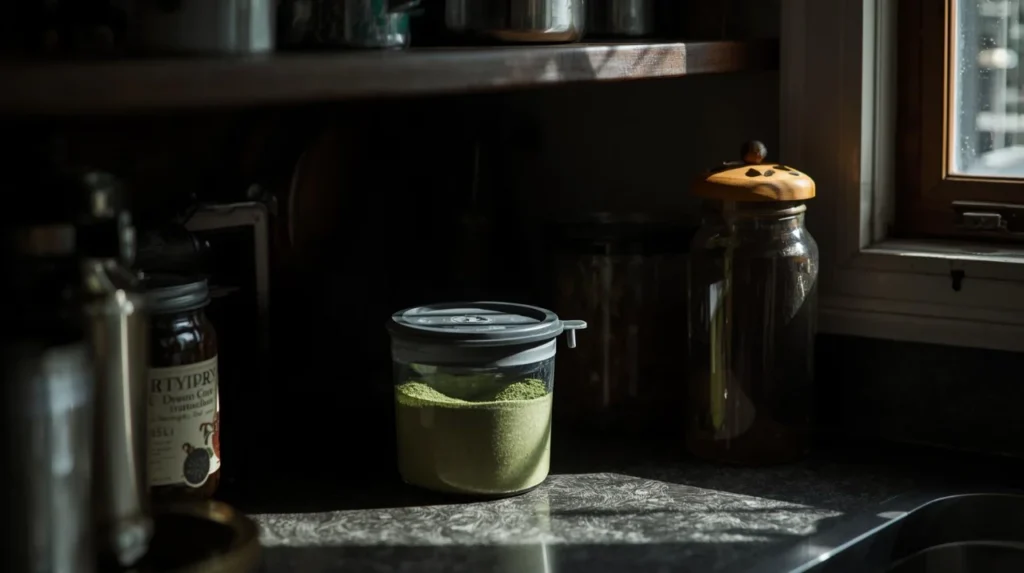
If you are wondering how to store matcha powder after opening, the golden rule is simple: seal it tight and keep it in the dark. Every time you whisk up a bowl, close the lid immediately. Store the container in a cool, dry pantry or cupboard, far away from heat sources like your stove, oven, or sunny windows. Never store your matcha in a clear glass jar on the kitchen counter—even ambient room light and UV rays will bleach its vibrant green color in a matter of days.
This brings us to a highly debated question: does matcha need to be refrigerated? The answer depends entirely on your timeline. If you drink matcha daily and plan to finish an opened tin within a month, a dark, cool pantry is perfectly fine. However, if you are buying unopened tins in bulk for long-term storage, or if you live in a very hot and humid climate, the fridge is an excellent tool to slow down the oxidation process.
The Golden Fridge Rule: There is one massive catch to refrigeration. If you keep your matcha in the fridge, you must let the container sit on the counter to reach room temperature before you open the lid. Opening a cold tin in a warm kitchen causes instant condensation. Even a small amount of moisture from condensation can spoil the powder and invite mold.
Because oxygen and moisture are so destructive, the thin foil bags or basic tins that matcha often comes in are rarely enough once they are opened. Upgrading to a high-quality, completely opaque, airtight container (such as a vacuum-sealed canister) is the absolute best investment you can make to protect your powder, ensuring every scoop stays as fresh as the day you bought it.
Don’t Throw It Away! 4 Brilliant Ways to Use Old Matcha
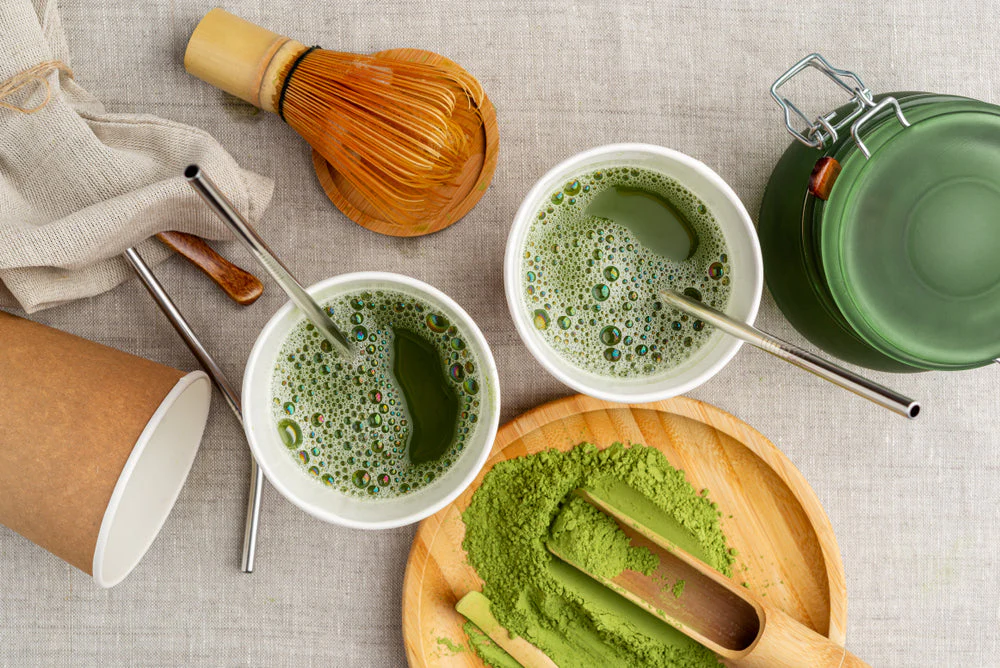
So, your tea failed the color and taste test. Before you toss that expensive tin in the trash, wait! If you are wondering what to do with old matcha powder that has lost its ceremonial-grade magic (but isn’t moldy), you are in luck. Instead of feeling guilty about wasting money, you can easily repurpose that faded green powder.
Here are four creative ways to give your stale matcha a second life:
1. Bake with it People often ask, can I bake with old matcha? Absolutely. While oxidized tea tastes terribly bitter when whisked with plain water, that bitterness is completely masked when you introduce rich ingredients like butter, sugar, and vanilla. Old matcha is perfect for adding a subtle earthy flavor and a light green tint to cookies, brownies, pound cakes, or pancakes.
2. Blend it into sweet smoothies If your powder is too dull for a traditional tea ceremony, hide it in a blender. Toss a scoop into a smoothie with naturally sweet and strongly flavored ingredients like ripe bananas, mangoes, or coconut milk. The fruits will easily overpower the flat taste of the older tea, allowing you to use it up without grimacing.
3. Whip up a DIY face mask Even if a portion of its antioxidants has faded, matcha still retains soothing, anti-inflammatory properties that are great for your skin. Mix a teaspoon of the old powder with a dollop of raw honey and a few drops of water to create a thick paste. Apply it to your face for 10 to 15 minutes for a quick, rejuvenating, spa-like treatment.
4. Feed your houseplants Because matcha is simply pure, ground tea leaves, it is naturally high in nitrogen—a nutrient that leafy houseplants absolutely love. You can lightly sprinkle the expired powder directly onto the topsoil of your potted plants, or mix it into your watering can, to give your indoor garden a gentle, organic fertilizer boost.
FAQ (Frequently Asked Questions)
Can expired matcha make you sick?
No, drinking expired matcha will generally not make you sick. Because it is a dry powder, it does not naturally grow harmful bacteria as it ages. However, if it was exposed to moisture and grew mold, throw it away immediately to avoid illness.
Why did my matcha turn yellow?
Your matcha turned yellow because it was exposed to oxygen and light. This exposure triggers oxidation, a process that breaks down the vibrant green chlorophyll in the tea leaves. It is still safe to consume, but the flavor will be noticeably bitter.
Does matcha go bad if not refrigerated?
No, matcha will not spoil immediately if kept out of the fridge. A dark, cool pantry is perfectly fine for daily use. However, if you live in a hot, humid climate, keeping an airtight tin in the refrigerator will significantly extend its freshness and flavor.
Conclusion: Keep It Fresh, Don’t Waste It
At the end of the day, finding an older tin of matcha doesn’t have to be a disappointment. Now that you know the answer to does matcha powder expire—understanding that it fades rather than spoils—you are fully equipped to make the most of every last gram. Whether you whisk that fresh, vibrant green powder into a perfect morning latte or creatively repurpose an oxidized, yellowish batch into delicious baked goods, nothing has to go to waste.