
Improper storage degrades matcha’s vibrant green color and destroys a significant portion of its catechins within weeks. The ultra-fine grind that makes matcha special also makes it one of the most storage-sensitive teas in the world. This guide covers exactly how to preserve your matcha’s flavor, color, and nutritional value — whether you drink it daily or keep a ceremonial tin for weekends.
Matcha is best stored in an airtight, opaque container in the refrigerator (3–5°C) for short-term use (under 3 months), or in the freezer for long-term storage (3–6+ months). Always allow refrigerated or frozen matcha to reach room temperature before opening to prevent condensation damage.
Why Matcha Powder Degrades Faster Than Loose-Leaf Tea
Matcha’s ultra-fine grind creates thousands of times more exposed surface area than intact tea leaves, making every environmental factor hit harder and faster.
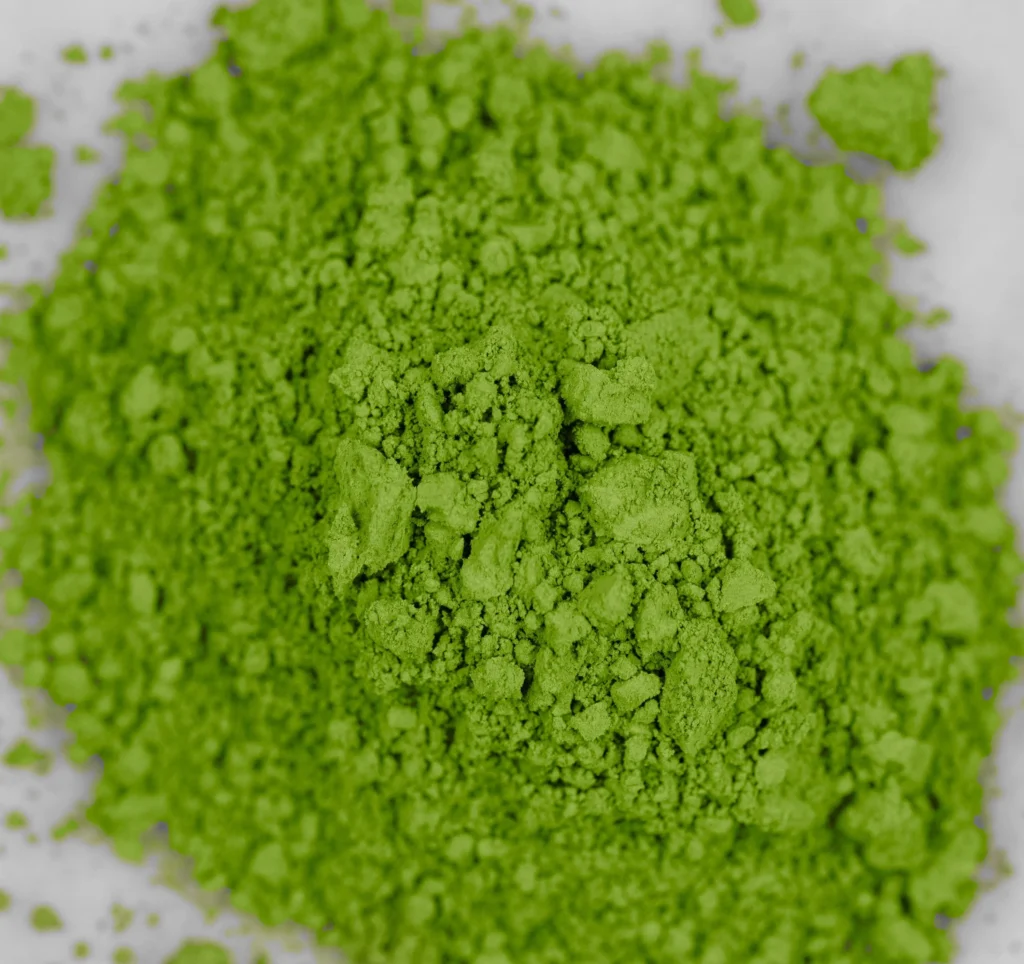
Loose-leaf tea tolerates months of pantry storage without dramatic quality loss. Matcha does not share that luxury. The reason is physics: grinding tencha leaves into a 5–15 micron powder (high-quality matcha averages 5–10 microns) increases the surface area exposed to air by thousands of times compared to whole or rolled leaves. Ooika, a specialty matcha retailer, calculates that a standard 2g serving of matcha, once ground, creates approximately 3,000 square centimeters of exposed surface area. More surface area means oxygen, light, and moisture interact with the tea compounds almost immediately.
The Five Enemies of Matcha
Tea professionals in Japan refer to five environmental factors that degrade matcha quality. Understanding them explains every storage rule that follows:
- Oxygen (O₂) — The number-one threat. Oxidation breaks down EGCG (epigallocatechin gallate), the primary catechin in matcha responsible for many of its health benefits, and turns vibrant chlorophyll into dull pheophytins (brownish pigments). Once exposed to air, the clock starts immediately.
- Light — Light destroys chlorophyll rapidly. Research from the Japanese tea industry shows that matcha exposed to direct sunlight for as little as 10 minutes will visibly shift from emerald green toward brown. UV radiation and visible light both accelerate photodegradation — there is no “safe” level of light exposure for long-term storage.
- Heat — Higher temperatures accelerate all chemical degradation reactions. A Korean university study found that matcha stored at 25°C for just 7 days was still acceptable, but storage above 40°C caused significant and measurable quality loss within days. Every 10°C increase roughly doubles the rate of most chemical reactions in food (the Q₁₀ principle).
- Humidity (Moisture) — Matcha powder is extremely hygroscopic. When humidity rises above 60%, the powder absorbs moisture, clumps together, and creates conditions for microbial growth. Moisture also accelerates the oxidation of catechins. This is why even the original packaging must be sealed properly after opening.
- Odors — Tea leaves — and especially finely ground tea powder — readily absorb surrounding aromas. A matcha tin stored next to garlic, coffee, or cleaning products will take on those flavors within hours. This absorption is irreversible.
What Happens Chemically When Matcha Oxidizes
The key compounds in matcha degrade in a specific and observable sequence:
- Chlorophyll — Degrades first, visibly. The emerald green shifts to olive, then to yellow-brown. A peer-reviewed HPLC-MS² study found that matcha’s chlorophyll-a and chlorophyll-b content drops measurably after even short periods of improper storage.
- L-theanine and amino acids — These contribute the savory umami sweetness unique to high-grade matcha. They oxidize gradually, making older matcha taste sharper and more bitter.
- Catechins (EGCG) — Research from ACS Publications and ScienceDirect confirms that EGCG degrades through oxidation, especially at elevated temperatures and in the presence of oxygen. Since EGCG is the primary health-benefit compound in matcha, losing it is not just a taste issue — it’s a nutrition issue.
- Volatile aroma compounds — Fresh matcha has delicate grassy, marine, and sometimes nutty aromatic notes. These volatile compounds evaporate or oxidize first, leaving the tea smelling flat or faint.
Storage Conditions by Timeframe: A Decision Framework
The right storage method depends on how quickly you’ll use your matcha — not on a single “best” approach.
Different sources argue passionately about fridge vs. freezer vs. countertop. The answer is that each is appropriate for a specific scenario. Use this decision framework based on your usage pattern.
Daily Drinkers: Countertop or Pantry (Up to 1 Month)
If you open your matcha tin once a day and finish a 30g tin within 3–4 weeks, countertop storage in an airtight container is perfectly adequate. The brief, daily exposure to room-temperature air is minimal — especially if you reseal the container immediately after scooping.
Requirements:
- Airtight, opaque container (metal tin, opaque ceramic, or UV-blocking glass like Miron violet glass)
- Cool, dry location away from the stove, windows, and any heat sources
- Away from strong odors (not above the spice rack, not near the coffee grinder)
- Temperature ideally below 25°C
What I tested: I kept a 30g tin of Marukyu Koyamaen ceremonial matcha on a kitchen shelf in a sealed metal tin for 3 weeks of daily use. Color and flavor remained excellent throughout — no noticeable degradation compared to a fresh tin opened the same day.
This method works because the container is opened for only seconds at a time, and the small volume of air inside the tin is replaced and resealed quickly.
Moderate Users: Refrigerator (1–3 Months)
If you drink matcha a few times per week and won’t finish a tin within a month, the refrigerator is the recommended option. The cold temperature (ideally 3–5°C) significantly slows all the degradation reactions described above.
The Marukyu Koyamaen official recommendation: “One of the best ways of preserving the quality of matcha is to refrigerate it whether the container is opened or not. Once opened, our pull-top canned Matcha should be refrigerated and should be consumed ideally as soon as possible.”
The critical rule — condensation prevention: When you remove matcha from the refrigerator, do NOT open the container immediately. Cold matcha exposed to warm, humid room air will develop condensation on the powder surface within seconds. That added moisture triggers rapid clumping and accelerates oxidation.
How to do it right:
- Remove the container from the fridge
- Leave it sealed on the counter for 2–4 hours (or 30–60 minutes if the tin is small)
- Only open after the tin has fully reached room temperature
- Scoop what you need, then immediately reseal and return to the fridge
Odor protection in the fridge: Matcha is highly absorbent of surrounding odors. Keep it away from:
- Onions, garlic, and strong-smelling produce
- Open containers of leftover food
- Coffee beans or grounds
- Cleaning products
Ideally, dedicate one shelf or drawer section to tea only. At minimum, ensure your matcha container has a true airtight seal — not just a snug lid.
First-hand note on fridge storage: I stored opened matcha in my refrigerator for 8 weeks in a double-layer setup — the original foil bag pressed flat to remove air, placed inside a sealed opaque tin. After 8 weeks, the color had shifted very slightly but the flavor was still clean and enjoyable for lattes, though noticeably less nuanced than fresh ceremonial matcha.
Infrequent Users: Freezer (3–6+ Months)
If you buy matcha in bulk, don’t drink it regularly, or want to stockpile a favorite batch before it’s discontinued, the freezer is the right choice. At -18°C or below, chemical degradation virtually stops.
The Marukyu Koyamaen official note: “If frozen in an unopened can, matcha retains its freshness for several months.”
The freezer protocol — this is where most people make mistakes:
- Start with sealed, unopened matcha when possible. If the original packaging is still sealed (pull-top can or vacuum-sealed bag), leave it sealed and place it directly in the freezer.
- If already opened: Press the bag or container to remove as much air as possible, then seal it inside a freezer-safe zip-lock bag as a second barrier.
- Place in the coldest, most stable part of the freezer — not the door, which experiences the most temperature fluctuation from opening and closing.
- Label with the date. Ceremonial-grade matcha is best consumed within 6 months of harvest; even frozen, keeping track of when you stored it helps ensure quality.
- When ready to use: Remove the desired portion and let it come to room temperature completely before opening. For a full 30g tin, this means 2–4 hours on the counter. For a smaller portion in a zip bag, 30–60 minutes may suffice.
Why freezing is not always ideal:
- Repeated temperature cycling (freezer → room temp → freezer) causes condensation each time, even if you’re careful. This is why freezing works best for matcha you plan to thaw once and use continuously.
- Freezing can cause powder particles to expand slightly and form larger clumps after thawing. The tea is still fine — just sift it before whisking.
- Freezing opened matcha that you access weekly defeats the purpose. The freeze-thaw cycle itself degrades quality. Freezing is best for “set it and forget it” long-term storage.
Storage Method Comparison Table
| Factor | Countertop/Pantry | Refrigerator | Freezer |
|---|---|---|---|
| Ideal timeframe | Up to 1 month | 1–3 months | 3–6+ months |
| Temperature | <25°C (77°F) | 3–5°C (37–41°F) | -18°C (0°F) or below |
| Convenience | Highest — no warm-up wait | Medium — 30min to 2hr warm-up | Lowest — 2–4hr warm-up |
| Condensation risk | None | Moderate | High (if protocol ignored) |
| Odor absorption | Moderate (kitchen smells) | High (fridge odors) | Low (freezer odors milder) |
| Best for | Daily drinkers | Regular but not daily | Bulk buyers, stockpilers |
| Quality preservation | Good (short term) | Very good | Excellent |
Choosing the Right Storage Container
The container matters less than the seal — but the material and opacity matter more than most people think.
What Works
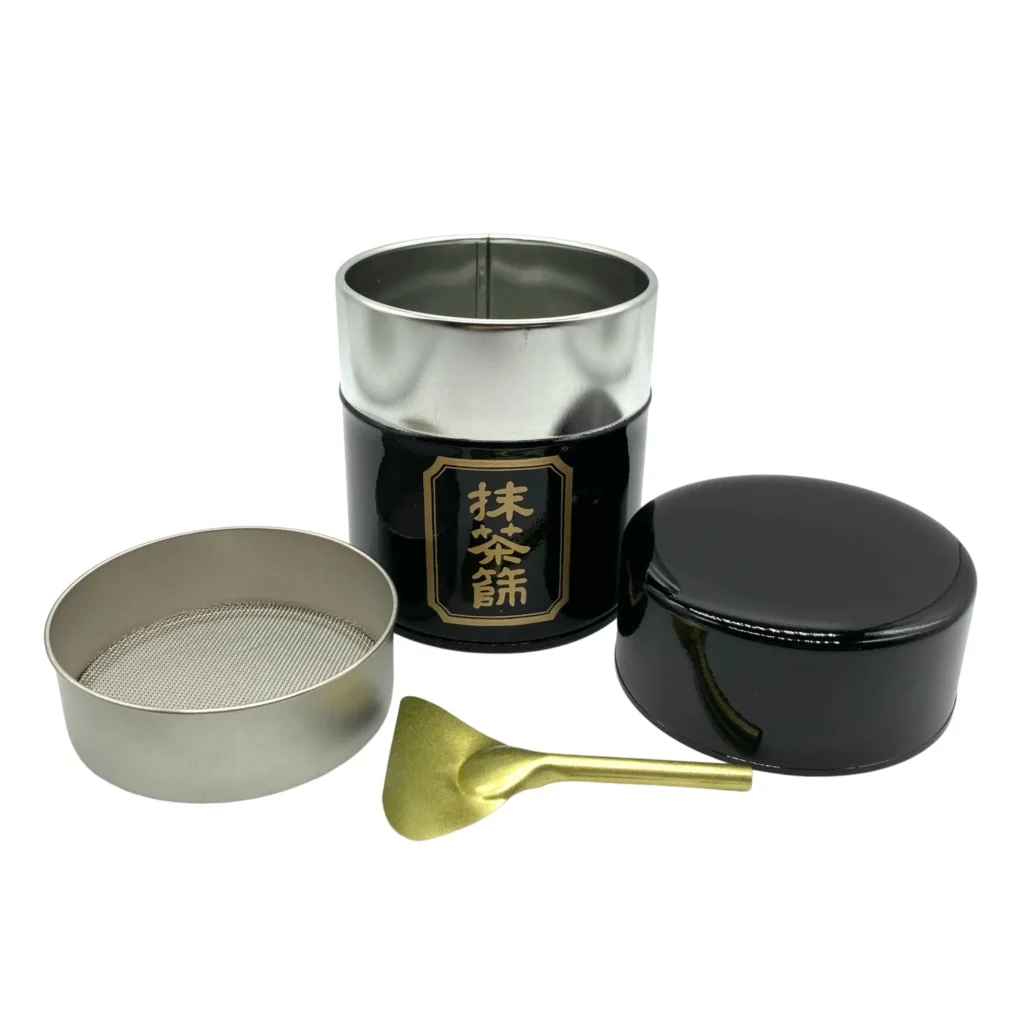
Metal tins (the gold standard): Most premium matcha brands — Marukyu Koyamaen, Ippodo, Kettl — ship in metal tins with pull-top lids. These are purpose-designed for matcha storage: opaque, rigid, and reasonably airtight. If your matcha came in a good tin, keep it in the tin.
Opaque ceramic containers with silicone gaskets: Several brands (Breakaway Matcha, various Japanese tea shops) offer ceramic canisters with tight-fitting lids. These work well if the seal is good. Look for a silicone or rubber gasket — without it, the lid is decorative, not functional.
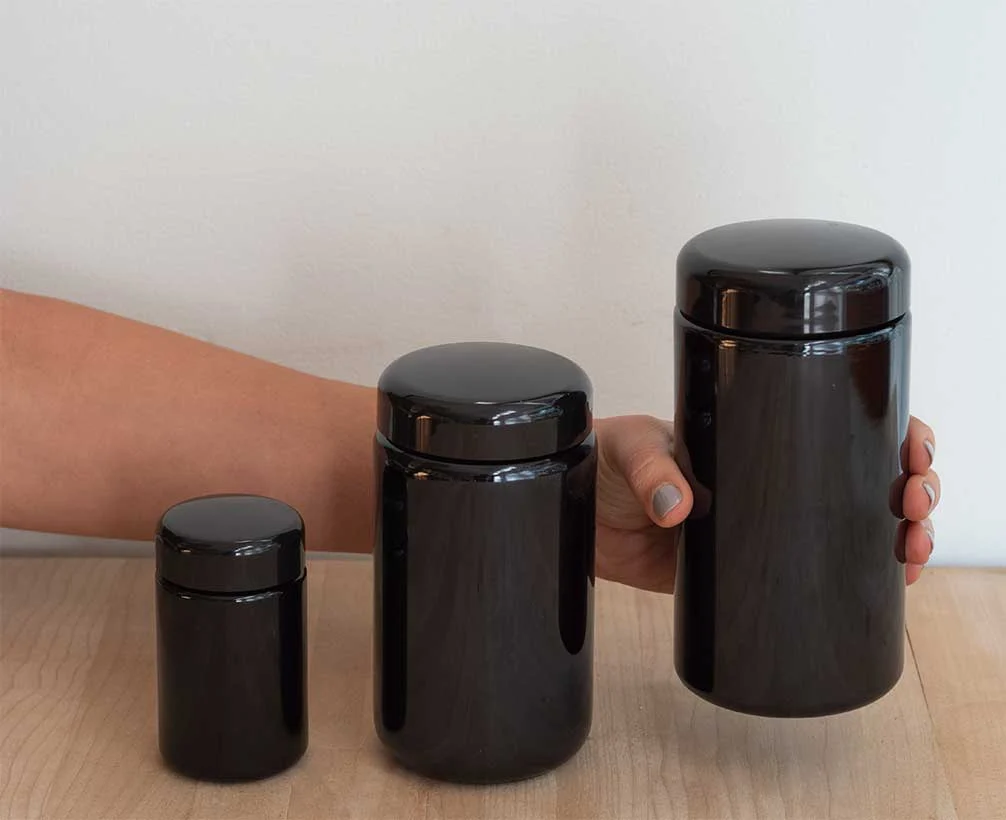
UV-blocking glass (Miron violet glass): A specialized violet-black glass that blocks the entire visible light spectrum except violet and infrared. Breakaway Matcha specifically uses these and reports that matcha retains its color and freshness noticeably longer. These are a premium option but genuinely effective.
Vacuum-sealed containers: The best option if you want to go beyond airtight. A vacuum container actively removes air from the chamber, minimizing oxygen exposure. Ooika (a specialty matcha retailer) vacuum-seals all their matcha this way. For home use, look for small vacuum canisters designed for coffee or tea.
What Doesn’t Work
Clear glass jars: Even if they have a tight lid, they let light through. The matcha inside will degrade faster than in any opaque container. This is the most common storage mistake — many people display matcha in clear jars because it looks attractive. The matcha pays the price.
The traditional natsume (wooden tea caddy): The natsume is the beautiful lacquered wooden container used in Japanese tea ceremonies. It is designed for short-term ceremonial use — presenting matcha during the tea preparation — not for storage. Wood is porous and not fully airtight. For long-term storage, it does not perform as well as metal or ceramic.
Plastic containers: Most plastics are not truly hermetic — they allow microscopic air and odor transfer over time. If you must use plastic, choose a food-grade container with a proven airtight seal and replace it periodically as the plastic ages.
The Double-Layer Method
For maximum protection — especially when refrigerating or freezing — use a double barrier:
- Press the original foil bag flat to push out air, then fold the top over and clip it shut (or use a vacuum bag)
- Place the bag inside a sealed opaque tin or container
This method protects against both air and odor exposure. Several experienced matcha drinkers on Reddit and Facebook report using this approach for 3–6 months of successful fridge storage with minimal quality loss.
Handling Matcha to Minimize Degradation
The way you open, scoop, and reseal your matcha matters as much as where you store it.
The Proper Scooping Routine
Every time you open your matcha, you’re exposing the powder to fresh oxygen. The goal is to minimize the time the container stays open and the surface area of powder exposed.
- Open the container
- Quickly scoop the amount you need with a dry utensil (never a wet spoon — moisture is the enemy)
- Tap off excess and return any spilled powder to the container, not back into the bag
- Reseal the container immediately — within seconds, not minutes
- Return to the fridge or pantry
The Paper-and-Scissors Method for Opening New Tins
When opening a new tin of matcha for the first time:
- Place a sheet of clean paper on the counter underneath you
- Use scissors to cut open the inner foil pouch carefully
- Invert the tin over the foil pouch opening to pour the matcha directly into the tin — this minimizes powder flying into the air and settling on your counter
- If powder spills on the paper, fold the paper to funnel it back into the tin
This method, recommended by several matcha brands, prevents the common problem of losing fine matcha powder to static cling and airborne dispersion during the transfer.
Never Use a Wet Spoon
Even a small amount of moisture introduced into the matcha tin causes immediate clumping and accelerates oxidation at the contact point. Always use completely dry utensils. If you’ve been whisking matcha with water and the spoon is damp, dry it thoroughly before scooping from the tin.
How to Tell If Your Matcha Has Gone Bad
Matcha doesn’t spoil in the way dairy does — it won’t make you sick after its best-by date. What happens is a gradual degradation of flavor, color, and nutritional value.
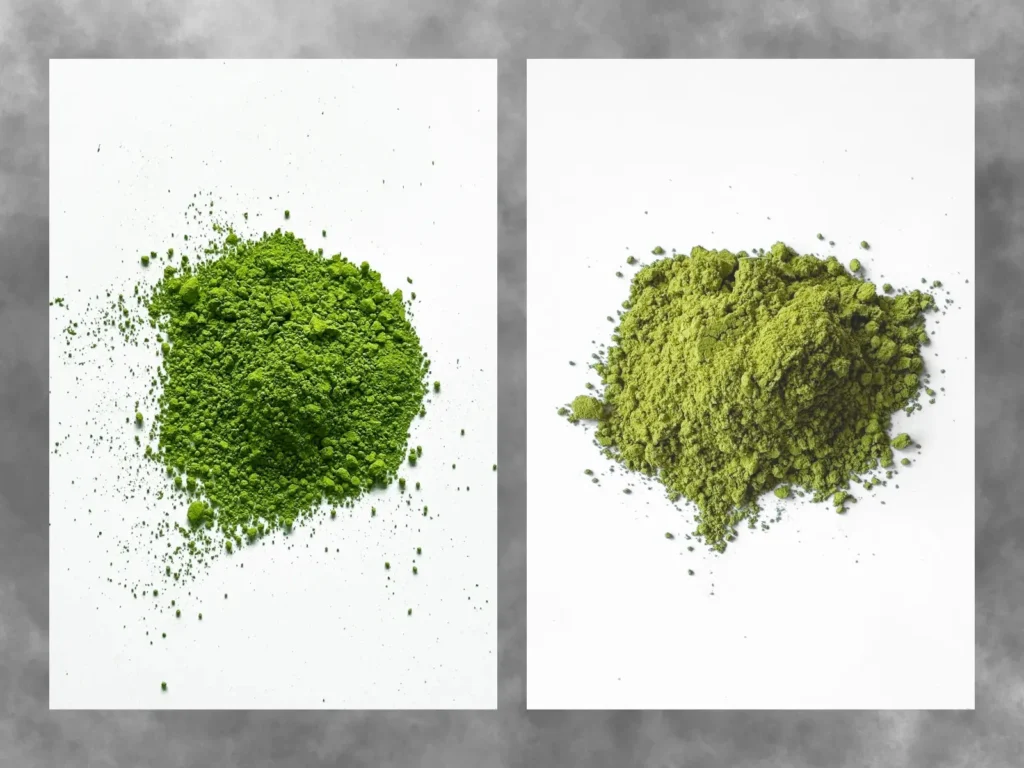
Here are the signs that your matcha is past its prime:
Color Shift
Fresh matcha is a vivid emerald or jade green. As it degrades, the color shifts toward olive, then yellow-green, then brownish. This is the most visible and reliable indicator — chlorophyll breakdown is directly correlated with the other forms of degradation.
Flavor Change
Fresh matcha tastes smooth, slightly sweet, and umami-rich (for ceremonial grade) or mildly bitter with grassy notes (for culinary grade). Degraded matcha tastes sharp, flat, and increasingly bitter without any of the original complexity. Some describe it as tasting like “cardboard” or “old hay.”
Aroma Loss
The fresh, grassy, slightly marine aroma of new matcha fades as volatile compounds evaporate or oxidize. If your matcha has no noticeable smell, or smells faintly musty, it’s past its best window.
Texture and Clumping
Some clumping is normal and can be sifted out. But if your matcha has formed hard lumps that resist breaking apart, or the powder feels gritty rather than silky, moisture exposure has likely damaged the texture.
Froth Quality
When whisked properly, fresh matcha produces a thick, creamy layer of fine micro-bubbles. Old matcha produces thin, large bubbles or no froth at all. This is a reliable quick test.
What to do with degraded matcha: Don’t throw it away. Matcha past its prime still contains some beneficial compounds and can be used for:
- Lattes (the milk and sweetener mask bitterness)
- Smoothies and baking (where the tea flavor is not the star)
- Face masks (the antioxidants still benefit skin)
- Compost (if you’re truly done with it)
Matcha Storage Mistakes I See Repeatedly
After reading hundreds of Reddit threads, Facebook group posts, and tea forum discussions, these are the errors that come up again and again:
Mistake 1: Storing in a Clear Glass Jar on the Kitchen Counter
This is the most common and most damaging mistake. Light degrades matcha fast — and a clear jar on a sunlit kitchen shelf is the worst possible combination. If you love the look of glass, switch to Miron violet glass, which blocks UV and most visible light.
Mistake 2: Putting Matcha in the Fridge Without an Airtight Seal
A loose-fitting lid on a fridge shelf surrounded by onions and leftover pizza means your matcha is absorbing every odor in that fridge while slowly oxidizing from the moisture-laden refrigerator air. The container must be airtight, not just “covered.”
Mistake 3: Opening Refrigerated or Frozen Matcha Immediately
The condensation problem is real and immediate. I watched it happen in real time during a test: a cold tin opened in a warm kitchen developed visible moisture on the powder surface within 90 seconds. That moisture triggers clumping and accelerates oxidation. Always warm to room temperature first.
Mistake 4: Buying in Bulk for Occasional Use
A 100g tin of ceremonial matcha is too much for someone who drinks it twice a week. At that usage rate, the last quarter of the tin will have degraded noticeably before you reach it. Buy smaller quantities (20–30g) more frequently, or buy one large tin and immediately divide it into portioned, sealed containers for the freezer.
Mistake 5: Transferring to a Pretty Container Without Considering Functionality
That beautiful open-top ceramic bowl or wooden natsume is not a storage solution. It’s a presentation piece. Keep your matcha in its original airtight tin or a purpose-built storage container, and only transfer a day’s worth to a ceremonial vessel when you’re preparing tea.
Storing Matcha Long-Term: The Bulk Buyer’s Guide
If you buy matcha in quantities larger than 30g, a long-term storage plan isn’t optional — it’s essential.
For Café and Restaurant Owners (6–12 Month Supply)
The Yunomi.life science team’s recommendation for cafés storing matcha over 6–12 months: “Store the matcha in the freezer, and remove a weekly amount (allowing acclimation to room temperature before opening).”
Practical steps:
- Receive the shipment and immediately transfer to individual portioned containers (e.g., weekly amounts in sealed bags or small tins)
- Place all sealed portions in the freezer
- Each week, remove one portion and place it in the fridge to thaw slowly
- The next day, move it to the countertop to reach room temperature before opening
- Use that portion throughout the week, stored at room temperature or in the fridge
This approach minimizes freeze-thaw cycles while keeping the bulk supply protected.
For Home Buyers Stockpiling (3–6 Month Supply)
- Keep the original sealed packaging intact
- Place the sealed tin or bag inside a freezer zip-lock bag
- Press out excess air and seal
- Label with the purchase date and grade
- Store in the back of the freezer, not the door
- When ready to use, thaw completely at room temperature before opening
Important: Ceremonial-grade matcha is more sensitive than culinary grade. If you’re stockpiling, prioritize using the ceremonial matcha first and reserve the culinary grade for longer freezer storage.
Matcha Storage Across Japanese Tea Traditions
In Japan, matcha storage has been refined over centuries — but modern airtight containers outperform traditional methods for practical home storage.
Marukyu Koyamaen, one of Japan’s oldest and most respected tea producers (founded approximately 1704 in Uji, Kyoto), stores their tencha (the dried tea leaves before grinding) in large sealed wooden boxes kept refrigerated at the processing facility. The matcha itself is ground, packaged in pull-top cans, and recommended for refrigeration once opened.
The traditional natsume (literally “jujube,” named for its shape) is the lacquered wooden container used in the Japanese tea ceremony to present and scoop matcha during usucha (thin tea) preparation. It is beautiful, culturally significant, and an important part of the ceremony. But as a storage vessel, it is not designed for long-term preservation — wood is porous, and even lacquered wood does not provide a truly hermetic seal.
Modern Japanese tea shops have largely adopted metal and opaque ceramic containers for retail storage, while the natsume remains in its rightful place: on the tea ceremony mat, during the ceremony.
Frequently Asked Questions
Where is the best place to store matcha?
The best place is an airtight, opaque container in the refrigerator (3–5°C) for regular use. For long-term storage beyond 3 months, the freezer (-18°C or below) is better. For daily drinkers who finish a tin within 3–4 weeks, a cool, dark pantry shelf is sufficient.
Should matcha be stored in the fridge or freezer?
Refrigerator for short-term (1–3 months); freezer for long-term (3–6+ months). The fridge is more convenient because the warm-up time is shorter (30 minutes to 2 hours vs. 2–4 hours for frozen). The freezer is better for matcha you don’t plan to access frequently.
How long does matcha last after opening?
With proper storage (airtight container in the refrigerator), opened matcha is best consumed within 30–60 days. Matcha does not become unsafe after this period — it just loses flavor, color, and nutritional potency. Some brands recommend using it within 2–4 weeks for peak quality.
Can you store matcha in a glass jar?
Only if the glass is opaque or UV-blocking (like Miron violet glass). Clear glass jars let light through, which degrades chlorophyll and accelerates quality loss. Ooika, a specialty matcha retailer, explicitly warns against transparent containers.
Does matcha go bad and become dangerous?
Matcha does not spoil like perishable food. It won’t make you sick after its best-by date. What happens is gradual degradation of taste, color, and health benefits. Old matcha is safe to consume — it just won’t taste good. Repurpose degraded matcha for lattes, baking, or smoothies.
How do you prevent matcha from clumping in the fridge?
Clumping is caused by moisture (condensation). Keep matcha in a truly airtight container, and always let it warm to room temperature before opening. If clumps form, push the powder through a fine-mesh sieve before whisking — this also improves the final texture.
Can I store matcha in its original packaging?
Yes, especially if the original packaging includes a sealed foil bag inside a metal tin. This is how most premium brands package their matcha, and it is designed for storage. Keep the foil bag sealed inside the tin, and store the tin in the fridge or freezer as needed.
Is it okay to freeze and unfreeze matcha multiple times?
Each freeze-thaw cycle introduces condensation risk and can cause clumping. For best results, freeze matcha in individually portioned amounts and thaw only what you’ll use in one session. Do not repeatedly freeze and thaw the same container.
How should I store matcha for a tea ceremony?
For the day of a ceremony, transfer a small amount from your storage container to a natsume or other ceremonial caddy. The natsume is perfect for presentation during the ceremony but should not be used for daily storage. Keep your main supply in its proper airtight container between ceremonies.
What is the ideal temperature for storing matcha?
Between 3–5°C (37–41°F) for the refrigerator, or -18°C (0°F) or below for the freezer. Room temperature storage is acceptable below 25°C (77°F) if consumed within a month. The Korean study cited above found that storage at 4°C was statistically best for all measured quality metrics.
Conclusion
Proper matcha storage comes down to four things: block the air, block the light, control the temperature, and keep odors away. The specific method you choose — countertop, fridge, or freezer — depends on how quickly you’ll use the tin. A daily drinker and a monthly drinker need different approaches.
The single most overlooked step is the warm-up protocol. I cannot emphasize this enough: never open refrigerated or frozen matcha until it has fully reached room temperature. That 30-minute to 2-hour wait protects your tea from the condensation that causes clumping and accelerates every form of degradation we’ve discussed.
Buy in quantities you’ll finish within the appropriate timeframe. Use airtight, opaque containers. Reseal immediately after scooping. And when in doubt, remember that your nose and eyes will tell you the truth — if the color has gone dull and the aroma has faded, your matcha is telling you it was stored somewhere it didn’t want to be.