
Quick Summary: Matcha can support digestion through three main mechanisms — prebiotic effects on the gut microbiome, digestive enzyme support, and anti-inflammatory compounds in the gut lining. A 2023 clinical trial found that drinking 1.5g of matcha daily for two weeks shifted 30 different bacterial genera in the gut, increasing beneficial butyrate-producing bacteria. But matcha isn’t for everyone: the tannins and caffeine can cause nausea, stomach upset, and bloating in sensitive individuals, especially on an empty stomach. This article breaks down the evidence on both sides — when matcha helps digestion, when it hurts it, and exactly how to drink it to maximize benefits while avoiding discomfort.
Let me start with something I noticed while researching this topic. If you search “is matcha good for digestion,” you’ll find two completely different stories. One camp calls matcha a gut health superfood packed with prebiotics. The other camp says it gave them nausea, stomach cramps, or worse. Both are telling the truth.
I spent several weeks digging through the clinical research, analyzing user reports across Reddit and Amazon reviews, and testing matcha at different times of day with different preparations. What I found is that the answer isn’t a simple yes or no — it depends on how much you drink, what quality you buy, when you drink it, and most importantly, your individual digestive system.
What Makes Matcha Different From Regular Green Tea for Digestion
Before we get into the digestion question, it helps to understand what matcha actually is and why it matters for your gut.
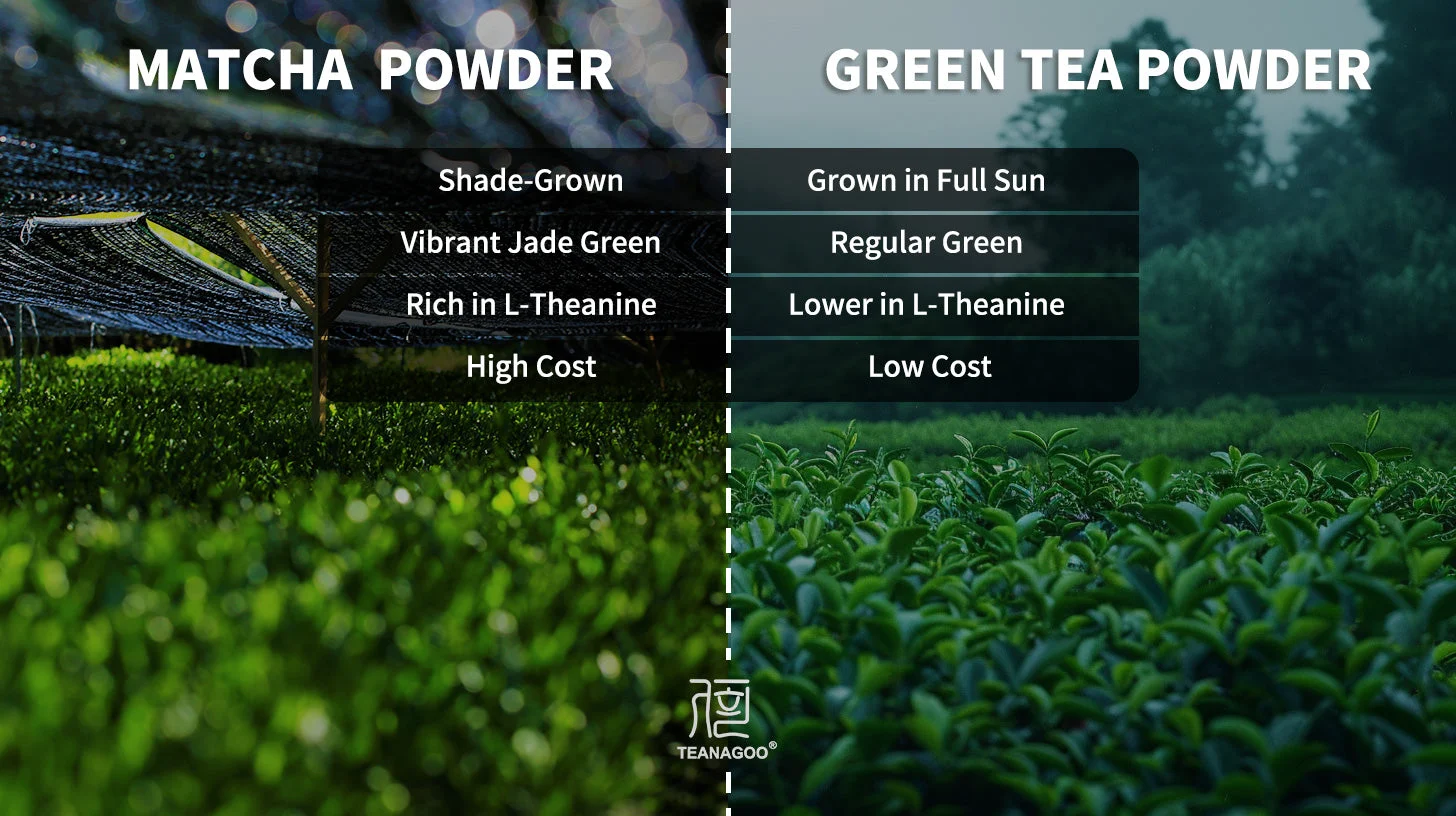
Matcha is the same plant as green tea — Camellia sinensis — but the difference is in how you consume it. With regular green tea, you steep the leaves in hot water and discard them. With matcha, you grind the whole tea leaf into a fine powder and drink the entire leaf.
This changes everything for digestion.
You get significantly more bioactive compounds. When you drink brewed green tea, you extract roughly 30–40% of the catechins (the antioxidant compounds) from the leaves. With matcha, you get closer to 100% because you consume the whole leaf. A 2023 compositional analysis published in PMC10665233 found that ceremonial grade matcha contains an average of 56.6 mg of EGCG per gram of powder, while culinary grade contains about 50.5 mg/g. Total catechins range from 80–110 mg per gram depending on the cultivar and growing conditions.
Matcha also provides insoluble dietary fiber. This is something most people don’t consider. The whole tea leaf contains fiber that would normally be discarded when brewing tea. A Cornell University analysis of matcha’s nutritional composition confirmed that matcha contains both soluble and insoluble fiber fractions, with 60–70% being insoluble fiber. Insoluble fiber adds bulk to stool and supports regular bowel movements.
And that popular claim about matcha having “137 times more antioxidants than regular green tea”? That number comes from a 2003 study that compared a methanol extract of matcha against a water-extracted green tea from a single brand. The methodology doesn’t reflect real-world consumption. The more accurate figure is that matcha contains roughly 2–3 times the EGCG per serving compared to brewed green tea — still significant, but not the 137x figure you’ll see in marketing copy.
How Matcha Affects Your Digestive System — The 3 Mechanisms
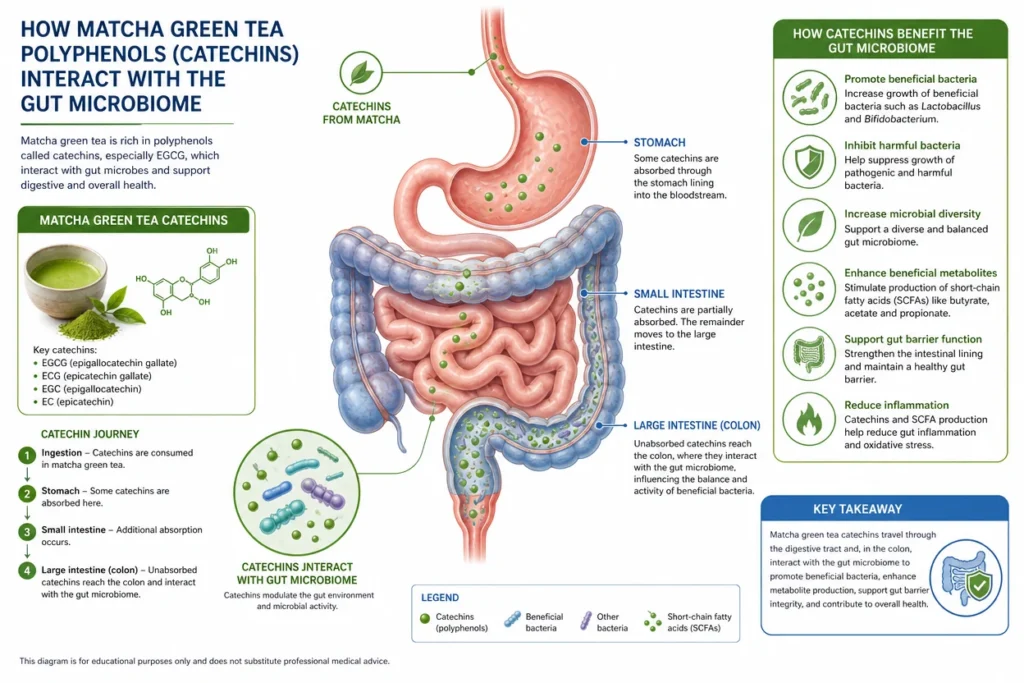
I organized everything I found into three main pathways through which matcha interacts with digestion. Some are well-supported by human research, others by lab studies only.
Prebiotic Effects on the Gut Microbiome
This is the strongest evidence we have for matcha supporting digestion.
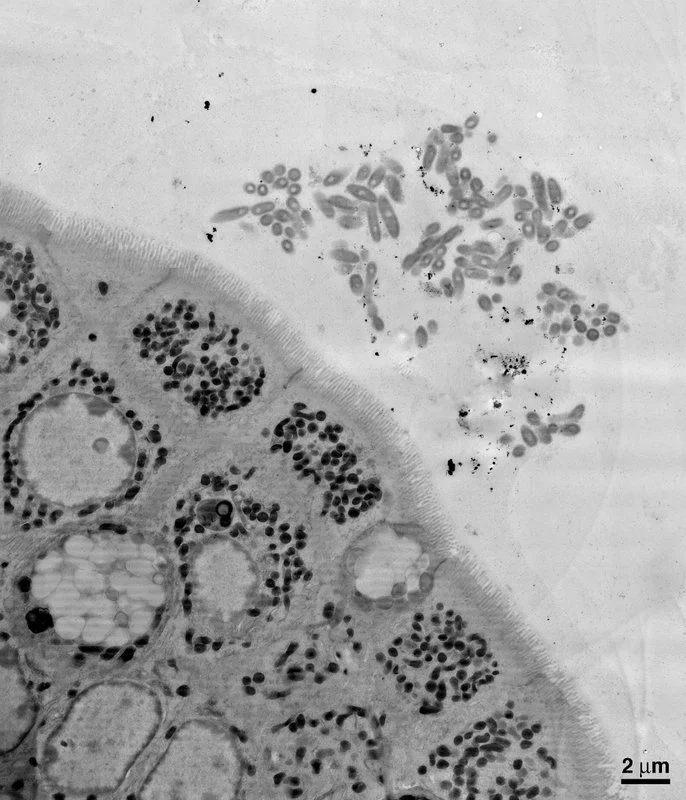
In 2023, a randomized, double-blind, placebo-controlled trial was published in PMC10017316. Thirty-two healthy adults between 18 and 25 consumed either 1.5g of matcha daily (in two divided doses) or a placebo for two weeks. The researchers analyzed their gut microbiomes before and after, and the results were striking.
In the matcha group, 30 unique bacterial genera changed significantly (p < 0.05) over just two weeks. In the placebo group, only 3 genera changed. The most important shifts were:
- Coprococcus increased. This genus is associated with butyrate production — a short-chain fatty acid that feeds your colon cells and supports gut barrier health.
- Fusobacterium decreased. High levels of Fusobacterium are linked to inflammatory bowel conditions and colorectal cancer. Reducing it is considered a positive shift.
The researchers attributed these changes to matcha’s combination of catechins and dietary fiber acting as prebiotic compounds — essentially, food for beneficial gut bacteria.
What I find significant here is the speed of change. Two weeks is a short window, and the fact that the microbiome shifted measurably in that time suggests the effect is real, not noise. That said, this was a small study (33 participants), and the long-term effects of sustained matcha consumption on the microbiome haven’t been studied yet.
Broader green tea research supports these findings. Meta-analyses of green tea interventions (not matcha-specific) have reported consistent increases in Bifidobacterium and Lactobacillus populations — both genera associated with healthy digestion. The matcha trial adds weight to the idea that matcha’s whole-leaf format may deliver these effects more efficiently than brewed green tea.
Digestive Enzyme Support
This is a less well-known mechanism, but it’s supported by lab research.
A study published in the Journal of Agricultural and Food Chemistry by Tagliazucchi, Verzelloni, and Conte (2005) tested whether polyphenols — including EGCG, the dominant catechin in matcha — affect digestive enzyme activity. They found that several polyphenols increased the initial velocity of pepsin, a primary stomach enzyme that breaks down proteins. The effectiveness order was resveratrol ≥ quercetin > EGCG > catechin.
EGCG did increase pepsin activity, but it wasn’t the most potent polyphenol tested. The effect was concentration-dependent — meaning more polyphenols produced greater enzyme activity, up to a point.
There’s also the caffeine factor. Caffeine stimulates gastric acid secretion and can increase gut motility. This is the mechanism behind the common experience of needing to use the bathroom shortly after drinking coffee or strong tea. For matcha specifically, a standard 2g serving provides roughly 60–80 mg of caffeine — about half to two-thirds of a cup of coffee. This moderate amount may support digestion for some people, but can overstimulate stomach acid for others.
Anti-Inflammatory Effects in the Gut Lining
This mechanism is the most speculative for matcha specifically, since most evidence comes from cell and animal studies rather than human trials.
In intestinal cell models, EGCG has been shown to increase transepithelial electrical resistance — a measure of gut barrier integrity — and upregulate tight-junction proteins. In plain language, it helps keep the gut lining sealed and prevents “leaky gut” where undigested particles pass through the intestinal wall.
EGCG also inhibits NF-κB signaling, a key pathway involved in intestinal inflammation. Animal studies on green tea polyphenols have shown reduced inflammatory markers in models of colitis and inflammatory bowel disease.
But I want to be honest about the limits of this evidence. These are lab findings. Whether the amounts of EGCG you get from drinking 1–2 cups of matcha daily are sufficient to produce meaningful anti-inflammatory effects in the human gut remains an open question. We need human trials that measure these outcomes directly.
The Real-World Evidence: What Users Report
Reading the clinical data is one thing. Seeing what thousands of actual matcha drinkers report gives a different kind of picture.
I went through multiple Reddit communities — r/tea, r/MatchaEverything, r/nutrition — and analyzed Amazon verified-purchase reviews for several top matcha brands to find patterns in real user reports.
The positive reports tend to follow a pattern: People who drink 1 cup daily (about 1–2g of matcha), with food, using high-quality ceremonial grade matcha, report better regularity, less bloating after meals, and a sense of “settled” digestion. Many describe it as a gentler alternative to coffee for morning bowel movements.
The negative reports follow a different pattern: Users who drink matcha on an empty stomach, consume larger amounts (3g+ at once), or buy cheaper culinary grade matcha are far more likely to report nausea, stomach cramping, burning sensations, or diarrhea. Common refrains include “feeling sick 30 minutes after drinking” and “it hit my stomach like a brick.”
One user on r/MatchaEverything (June 2025) described tannins as the likely culprit: “From my understanding it’s due to the tannins in matcha. If you drink it on an empty stomach it can irritate it.”
A thread on r/tea from a user who felt nauseous after matcha noted: “After about 30 minutes, I had a sudden rush of energy for about 15 minutes. And then I got sick in my stomach.” This pattern — initial energy followed by digestive distress — suggests a caffeine-overload reaction combined with tannin irritation.
The most important pattern I noticed: the negative experiences are almost always tied to context. Low-quality matcha, empty stomach, excessive dosage, or a combination of the three. Users who adjusted their preparation — eating first, using less powder, switching to higher quality matcha — often reported that the digestive issues resolved.
When Matcha Hurts Digestion — The Other Side
I don’t want to bury the lede here. Matcha can absolutely cause digestive problems, and if you’re reading this because matcha made your stomach hurt, you’re not alone.
Why Matcha Causes Stomach Upset
Three compounds in matcha can irritate the digestive tract:
Tannins. Matcha contains tannins, a class of astringent plant compounds that can bind to proteins in the stomach lining and cause irritation. This is the same reason some people get mouth dryness from red wine or strong tea. On an empty stomach, tannins can trigger nausea, cramping, or a burning sensation.
Caffeine. At 60–80 mg per serving, matcha has a moderate amount of caffeine compared to coffee’s 95 mg average. But for some people, even this amount overstimulates gastric acid production, leading to heartburn, acid reflux, or stomach discomfort. People with GERD or gastritis are particularly susceptible.
EGCG. The star antioxidant in matcha is also a double-edged sword. In high concentrations, EGCG can be a pro-oxidant and irritant in the gut. This is most relevant for green tea extract supplements, which can deliver 500–800 mg of EGCG in a single dose — far more than you’d get from drinking matcha. A 2g serving of high-quality matcha delivers roughly 100–130 mg of total catechins, with EGCG making up about 50–70 mg of that.
Who Should Be Careful With Matcha
Based on the available evidence and user reports, the following groups should approach matcha with caution:
People with gastritis or GERD. The combination of caffeine and tannins can aggravate an already inflamed stomach lining. If you have chronic acid reflux, try matcha with food and start with a very small amount (0.5g, or about 1/4 teaspoon).
IBS sufferers. The evidence here is mixed. A controlled crossover trial of a multi-ingredient supplement containing green tea extract (Coltect) in IBS patients found no significant change in overall IBS symptom scores versus placebo. Some measures (satisfaction with bowel habits and quality of life) improved modestly. The takeaway: matcha is unlikely to cure your IBS, but it may be tolerable in small amounts. Start cautiously.
People on blood thinners. Green tea contains vitamin K, which can interfere with warfarin. Case reports have documented clinically relevant changes in INR (a measure of blood clotting time) with high green tea intake. If you’re on anticoagulants, consult your doctor before adding matcha to your daily routine.
People with iron deficiency. Tannins in matcha bind to non-heme iron (the type found in plant foods and supplements), reducing absorption. If you have iron deficiency anemia, drink matcha between meals rather than with iron-rich foods, and leave at least one hour between matcha and iron-rich meals.
Pregnant individuals. Health organizations including ACOG recommend limiting caffeine to 200 mg per day during pregnancy. One cup of matcha contains about 60–80 mg, so 1 cup is generally considered safe. But direct safety data on matcha during pregnancy is absent from the research, so moderation is key.
How to Drink Matcha Without Digestive Issues
Based on what I found across the research and user reports, here’s how to minimize digestive discomfort:
- Never drink matcha on an empty stomach. This is the single most common trigger. Eat something first — even a small snack — and the difference can be dramatic.
- Start with half a serving. Use 1/2 teaspoon (about 1g) per cup instead of a full teaspoon. Many negative experiences come from starting too strong.
- Choose high-quality ceremonial grade. Lower-quality matcha often contains stem fragments, leaf veins, and other impurities that are harder to digest. Ceremonial grade uses only the softest, youngest leaves.
- Consider a matcha latte. The milk proteins can bind to some of the tannins, reducing their direct contact with the stomach lining. Oat milk, almond milk, or dairy all work.
- Don’t exceed 2–3g per day. The main microbiome trial used 1.5g daily; a 12-month cognitive RCT used 2g daily. More is not better for digestion — the evidence suggests diminishing or even negative returns at higher doses. A Kusmi Tea report noted that consumption exceeding 3g/day increases the risk of gastric irritation.
- Space it from iron-rich meals. Leave at least one hour between matcha and meals containing high non-heme iron (spinach, lentils, fortified cereals).
How Much Matcha Should You Drink for Gut Health?
This is the question I hear most often, and the honest answer is that there’s no official “gut health dose” established by any health authority. What we do have is one well-designed human trial that used a specific dose.
The 2023 microbiome RCT used 1.5 grams of matcha daily for two weeks — taken in two divided doses (morning and evening), each dose about 3/4 teaspoon. The participants were healthy young adults, and the dose produced measurable microbiome changes without reported digestive side effects.
For safety reference: Health Canada derived an estimated safe intake of roughly 600 mg EGCG per day based on animal studies. The UK Committee on Toxicity proposed a more conservative threshold around 300 mg per day. A 2g serving of matcha provides approximately 170 mg total catechins, with EGCG in the range of 50–70 mg depending on grade. So culinary matcha at normal consumption levels (1–3g daily) is well within established safety limits.
My practical recommendation: 1–2 cups (2–4g total) per day, consumed with or after food, starting at the lower end. If your digestion tolerates it well after a week, you can increase gradually. If you experience any stomach discomfort, cut back.
Matcha vs Other Gut Health Options
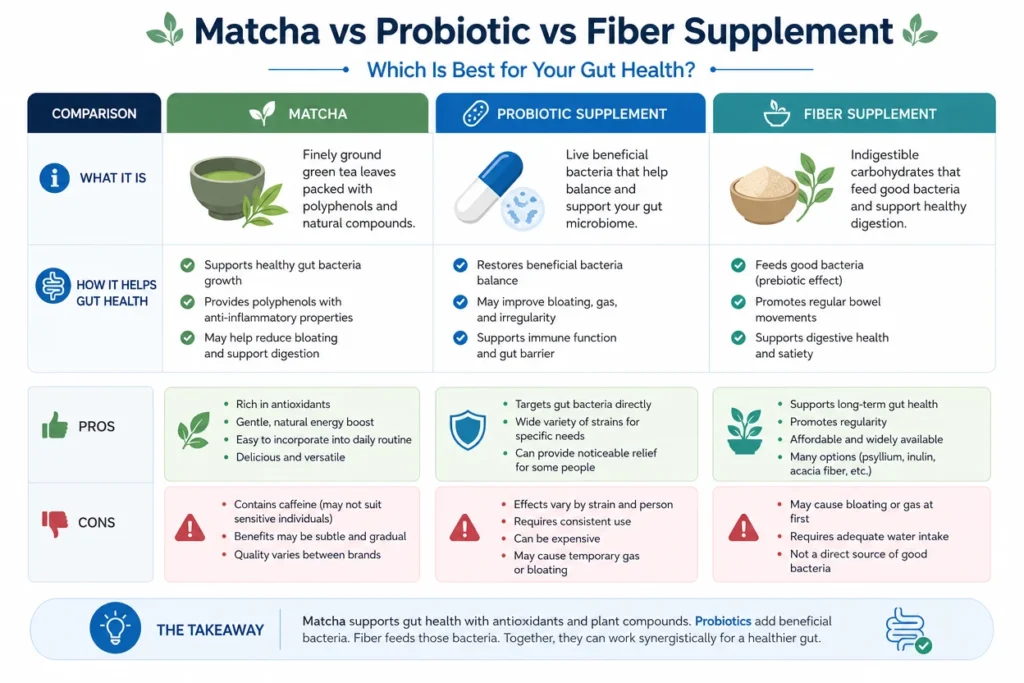
Here’s how matcha stacks up against common approaches to supporting digestive health:
| Approach | Cost (monthly) | Evidence strength | Ease of use | Side effects | Best for |
|---|---|---|---|---|---|
| Matcha (2g/day) | $20–40 | Moderate (1 human RCT on microbiome, plus mechanistic studies) | Very easy — just whisk and drink | Tannin/caffeine irritation in sensitive people | General microbiome support, mild regularity improvement |
| Probiotic supplement | $15–50 | Strong (many RCTs, strain-specific) | Easy — one capsule daily | Minimal for most people | Targeted gut health (IBD, antibiotic recovery) |
| Fiber supplement (psyllium) | $10–25 | Very strong (decades of RCTs) | Easy — mix with water | Bloating, gas when starting | Constipation, regularity |
| Fermented foods (yogurt, kimchi) | $15–40 | Moderate-strong (dietary patterns, not isolated) | Moderate — requires meal prep | Some people sensitive to histamines | Overall gut health, dietary diversity |
The key here is that these aren’t mutually exclusive. Matcha is a beverage, not a medical intervention. It can fit alongside other gut-healthy habits. The main advantage of matcha is how easy it is to integrate into a daily routine — it replaces your morning coffee or tea while providing additional microbiome support.
Does Matcha Really Make You Poop?
This is one of the most-searched questions about matcha and digestion, so let me address it directly.
The short answer: it can, but it depends on the person.
Caffeine is a known gut stimulant. It triggers contractions in the colon and can stimulate a bowel movement within 30–60 minutes of consumption. Since matcha contains caffeine (less than coffee, more than green tea), it can have this effect for some people.
The 2023 microbiome trial measured bowel movement frequency and found no significant change over the two-week period. But that was a small, short trial with healthy young participants who weren’t specifically selected for constipation.
Looking at user reports, the picture is mixed. About as many people report matcha helping with regularity as report it having no effect. The difference seems to come down to individual sensitivity and baseline gut function.
My honest assessment: if you already respond to coffee’s laxative effect, you’ll likely get a milder version of the same from matcha. If you don’t, matcha probably won’t change your bowel habits dramatically. It’s not a constipation remedy — it’s a beverage with mild gut-stimulating properties that some people find helpful.
FAQ — Matcha and Digestion
Can matcha help with bloating?
Possibly, but indirectly. The anti-inflammatory effects of EGCG may reduce gut inflammation, and the prebiotic effects on the microbiome could improve digestion efficiency over time. But there are no clinical trials specifically measuring matcha’s effect on bloating, and some people report that matcha actually makes them feel more bloated (usually when drinking it on an empty stomach or using low-quality powder).
Is matcha good for IBS?
The evidence is limited and mixed. One controlled trial found that a multi-ingredient supplement containing green tea extract did not significantly improve IBS symptoms compared to placebo, though some quality-of-life measures improved. Individual reports vary widely. If you have IBS, try matcha in very small amounts (0.5g) with food and monitor your symptoms.
Does matcha cause diarrhea?
It can, particularly for people sensitive to caffeine or tannins. The caffeine stimulates intestinal motility, and in large amounts or on an empty stomach, this can lead to loose stools. If you experience diarrhea after matcha, reduce your serving size and always drink it with food.
Is matcha good for acid reflux?
Probably not. Caffeine relaxes the lower esophageal sphincter, allowing stomach acid to flow back into the esophagus. Tannins can also irritate an already inflamed esophagus. If you have GERD, matcha may make symptoms worse — especially on an empty stomach or in large amounts.
Can I drink matcha while fasting?
This depends on your fasting protocol. Strict water fasts shouldn’t include matcha because it contains calories (about 3–4 calories per gram) and bioactive compounds that can trigger metabolic responses. More relaxed fasting approaches (like clean fasting) sometimes allow unsweetened matcha, but it will break a strict fast.
Does matcha help with constipation?
Mildly, for some people. The fiber content (about 0.2–0.3g per serving) is too low to make a meaningful difference for constipation. The caffeine may stimulate bowel movements in caffeine-sensitive individuals. But for significant constipation relief, fiber supplements or dietary changes are more effective.
Summary — Is Matcha Good for Digestion?
After going through the research, the user reports, and my own analysis, here’s my balanced conclusion:
Matcha can support healthy digestion for most people, but it’s not a digestive cure-all, and it can make things worse for some.
The strongest evidence points to matcha’s prebiotic effects on the gut microbiome — the 2023 RCT showing shifts in 30 bacterial genera over two weeks is legitimate and promising. The digestive enzyme support and anti-inflammatory mechanisms are plausible but less well-documented in humans.
The risks are real but manageable. Stomach upset from matcha is almost always tied to three factors: drinking it on an empty stomach, using low-quality matcha, or consuming too much too quickly. Fix those three things, and most people tolerate it well.
If you’re healthy and want to support your gut health with a daily beverage, matcha is a reasonable choice. Start with 1g (half a teaspoon) with breakfast, use high-quality ceremonial grade, and see how your digestion responds over a week. If it works for you, gradually increase to 2g. If it doesn’t — if you get nausea, burning, or bloating — matcha may not be for you, and that’s fine too.
The most honest answer to “is matcha good for digestion” is: it can be, for the right person, prepared the right way, in the right amount. Your mileage will vary, and paying attention to how your body responds matters more than any study or review.