
Are you tired of that dreaded 2 p.m. caffeine crash? If you rely on multiple cups of coffee just to get through the workday, only to be left feeling jittery, anxious, and eventually exhausted, you are certainly not alone. Today, more people than ever are searching for healthy alternatives to coffee and natural energy boosters that provide sustained focus without the negative side effects.
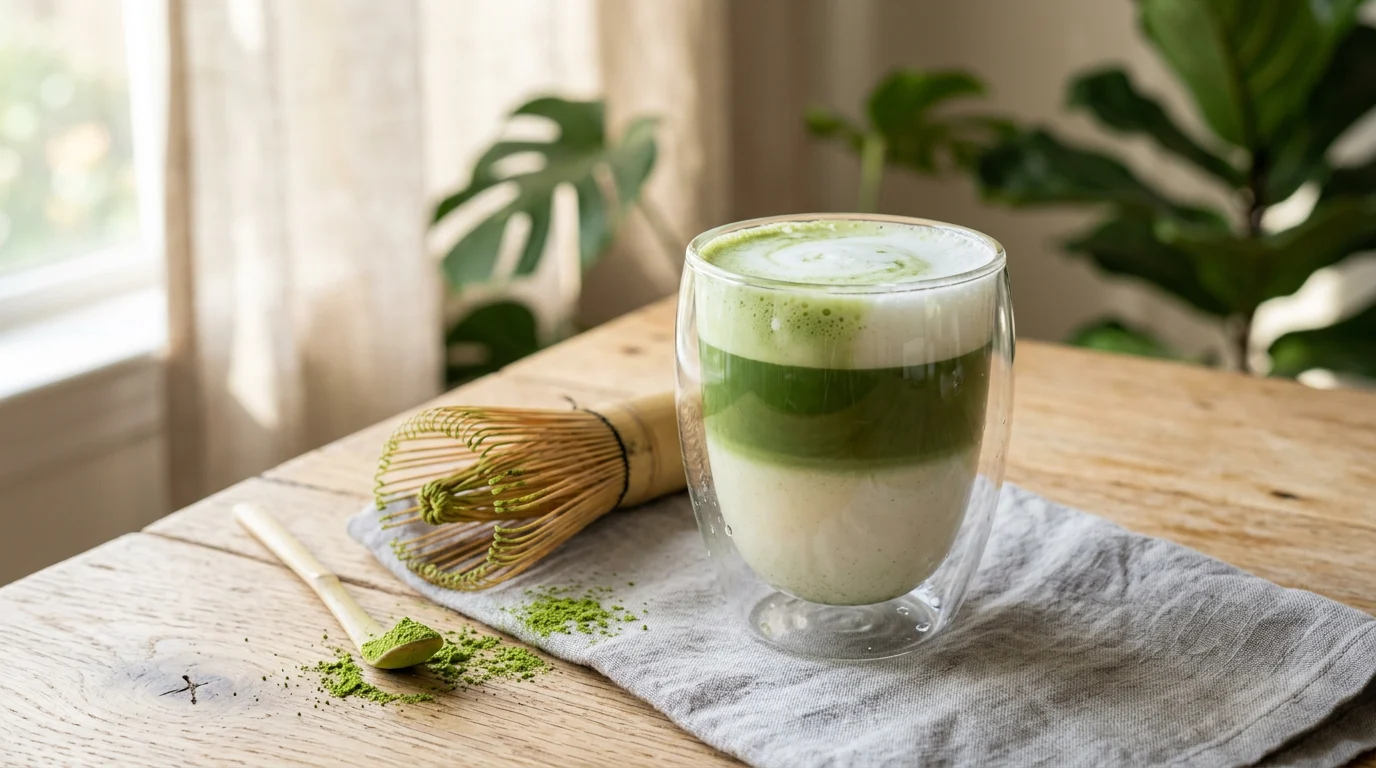
Enter matcha. But what is matcha powder, exactly?
While it comes from the same Camellia sinensis plant as your standard green tea bag, the cultivation and preparation processes are completely different. When comparing matcha vs regular green tea, the main distinction is how you consume it. With standard tea, you steep the leaves in hot water and discard them. Matcha, on the other hand, is made by stone-grinding specially shade-grown tea leaves into a vibrant, fine green powder. You whisk it directly into water or milk, meaning you are consuming the entire leaf.
By ingesting the whole leaf, you gain access to a significantly denser concentration of polyphenols and amino acids compared to a standard infusion. Whether you want to sharpen your mind, support your metabolism, or simply upgrade your morning wellness routine, this ancient Japanese staple offers compelling, science-backed benefits. Let’s dive into the top 7 proven advantages of matcha tea and discover what the current research actually says about this popular superfood.
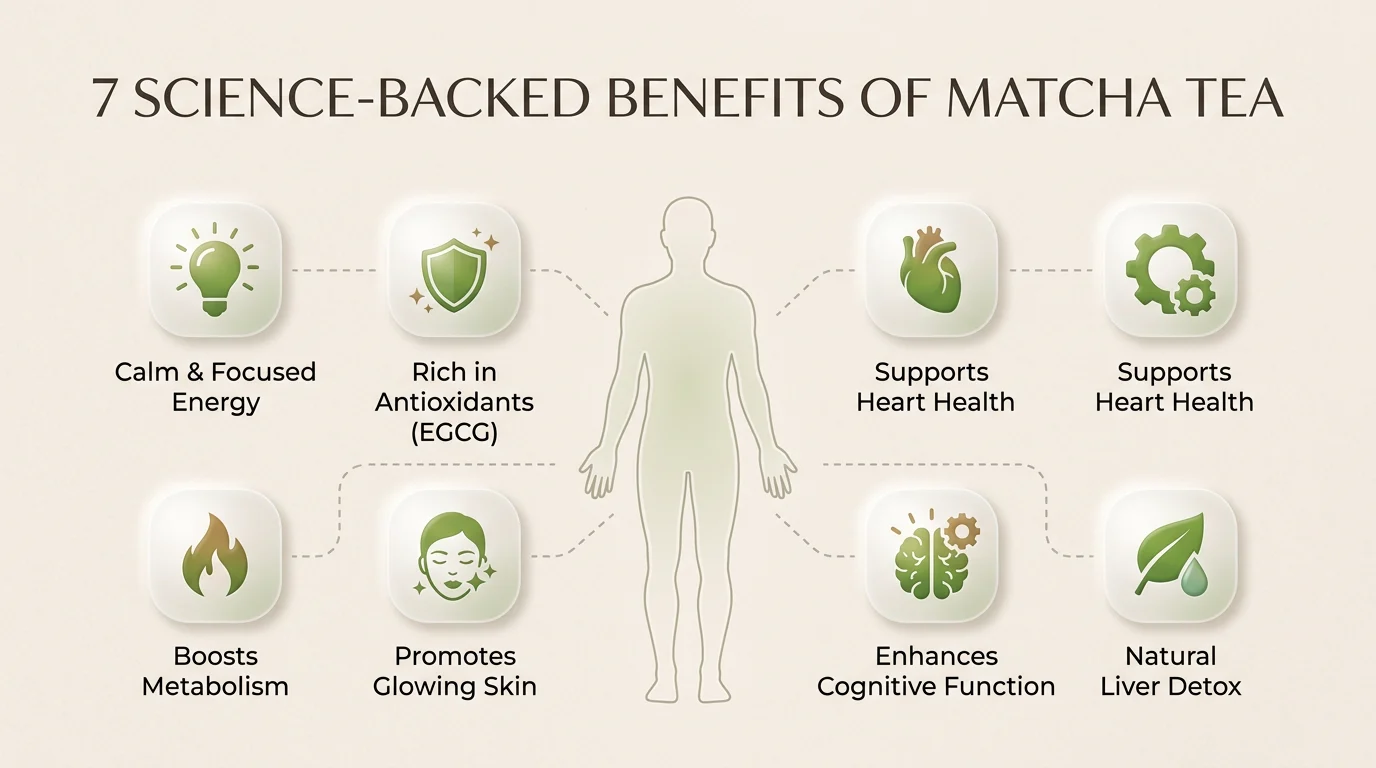
The 7 Science-Backed Advantages of Matcha Tea
1. Provides Calm, Sustained Energy (The “Zen” Buzz)
When comparing matcha vs coffee, the biggest difference isn’t necessarily the amount of caffeine—it’s how your body processes it. While a standard cup of coffee gives you a rapid energy spike followed by a steep drop, matcha delivers what many describe as a “calm, focused energy.”
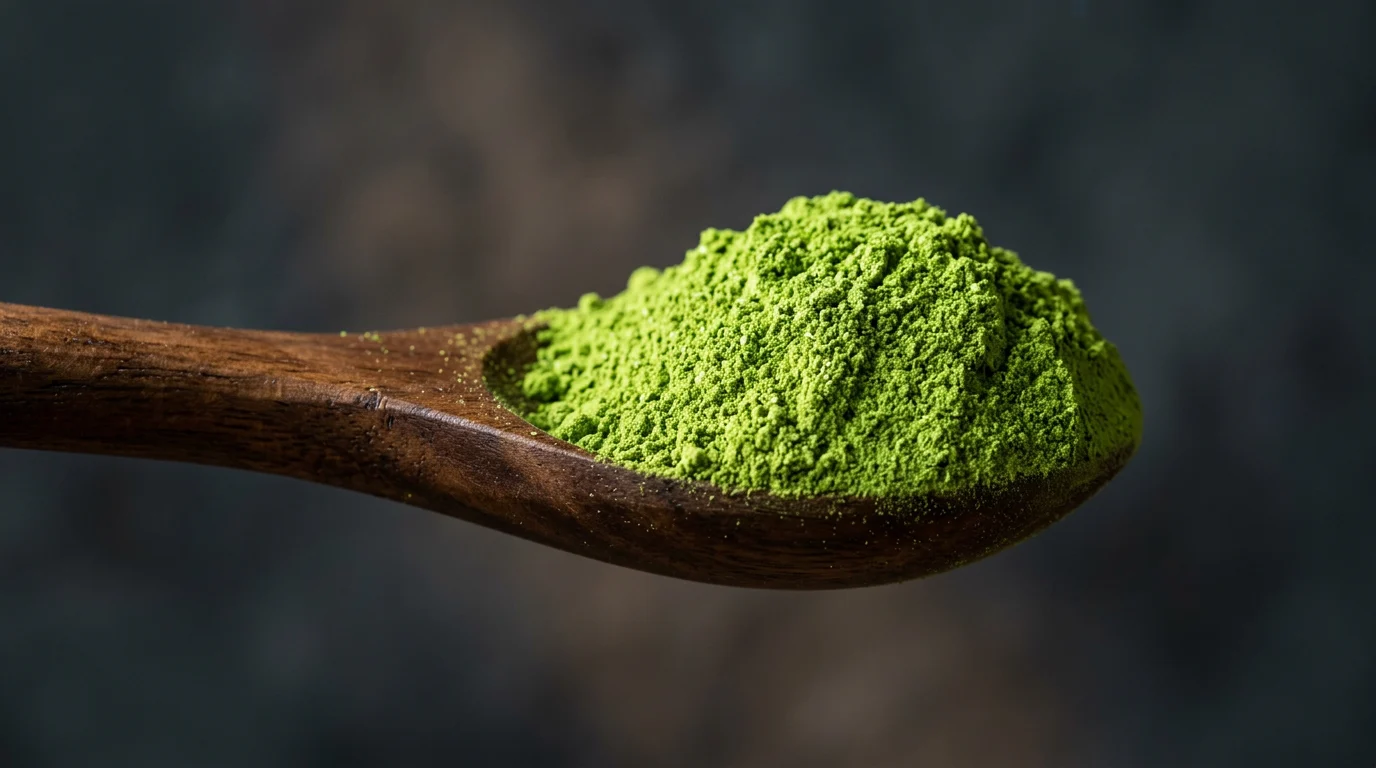
This is primarily due to a rare amino acid called L-theanine. Research published in Nutritional Neuroscience highlights that L-theanine works synergistically with caffeine to buffer its rapid absorption into the bloodstream. It promotes alpha-wave brain activity, which helps mitigate the rapid heart rate and jittery sensations often associated with high caffeine intake. Instead of a midday crash, you experience a more sustained, clear-headed focus.
2. A Highly Concentrated Source of Antioxidants
Perhaps one of the most celebrated advantages of matcha tea is its robust antioxidant profile. Matcha is packed with a specific class of antioxidants known as catechins, particularly EGCG (epigallocatechin gallate).
According to research published in the Journal of Chromatography A, the concentration of EGCG in matcha can be substantially higher than in traditional steeped green tea. EGCG is widely researched for its ability to neutralize free radicals—unstable molecules that contribute to oxidative stress and cellular aging.
Pro-Tip for Bioavailability: To get the most out of these antioxidants, clinical studies suggest consuming matcha alongside a source of Vitamin C (like a squeeze of lemon), which can significantly increase the bioavailability and absorption of catechins in your digestive tract.
3. Supports Metabolism During Exercise
If you are looking into matcha green tea weight loss benefits, it is crucial to separate marketing hype from scientific reality. Matcha isn’t a magic weight-loss pill, but it can serve as an effective catalyst when combined with a healthy routine.
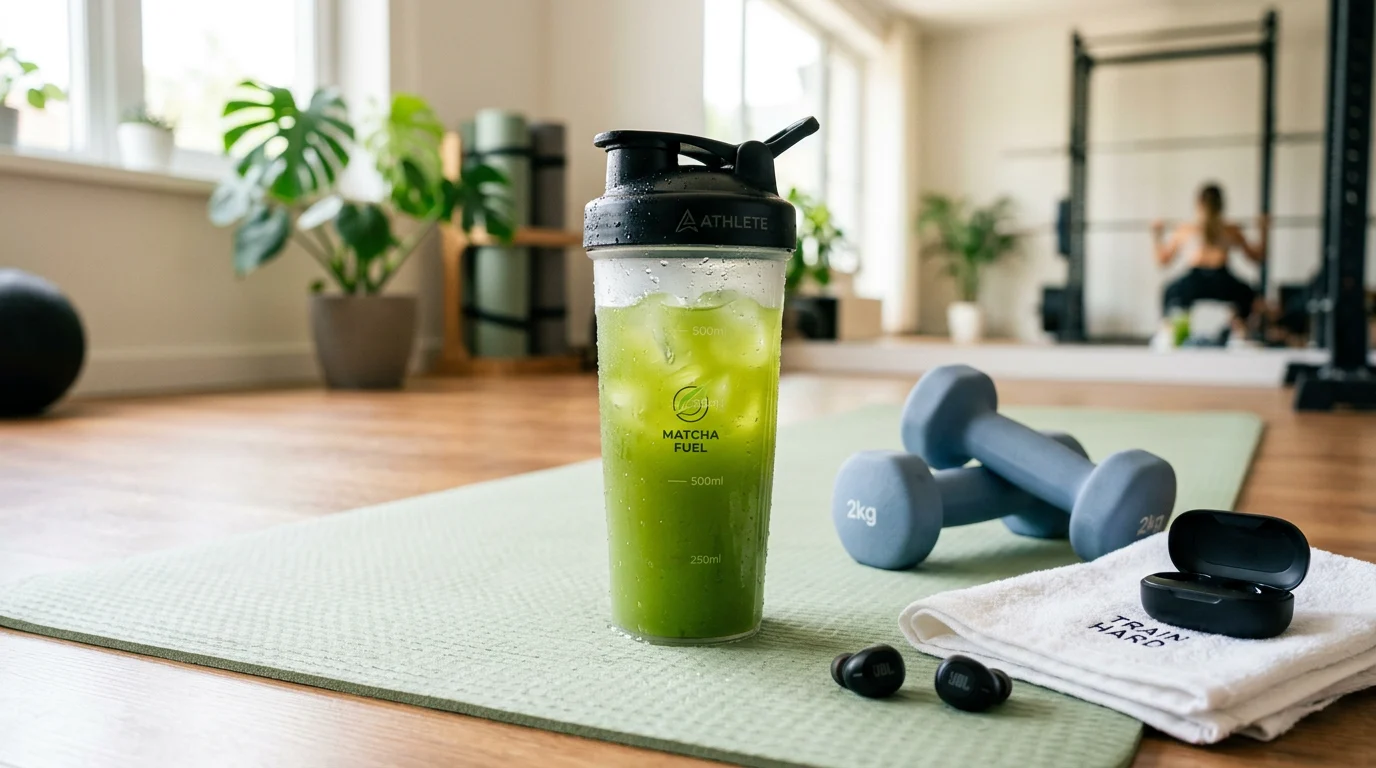
A widely cited study in the American Journal of Clinical Nutrition demonstrated that green tea extract can increase thermogenesis (the body’s rate of burning calories) and may enhance fat burning by up to 17% during moderate-intensity exercise. Nutrition experts emphasize that matcha should be viewed as a supplement to an active lifestyle, rather than a standalone cure.
4. Promotes Healthy Skin Function
When it comes to skincare, treating your body from the inside out is just as important as the topical serums you apply. The matcha benefits for skin are primarily driven by its anti-inflammatory properties.
Dermatological studies indicate that dietary polyphenols like EGCG can help reduce systemic inflammation and soothe conditions associated with redness. Furthermore, these antioxidants help neutralize environmental stressors—such as UV exposure and pollution—that contribute to collagen breakdown and premature skin aging.
5. Supports Cardiovascular Health
Heart disease remains a leading cause of health complications globally, and dietary habits play a foundational role in heart disease prevention.
A comprehensive meta-analysis published in the Journal of the American Heart Association observed that green tea consumption is associated with statistically significant reductions in fasting LDL cholesterol (the “bad” cholesterol) and triglyceride levels. By helping to prevent the oxidation of LDL cholesterol—a key factor in arterial plaque buildup—incorporating matcha into a balanced diet supports long-term cardiovascular function.
6. Enhances Cognitive Function and Attention
Need to stay sharp for a big presentation or a long study session? Matcha shows promising potential for boosting cognitive function.
A randomized controlled trial published in the journal Nutrients found that regular consumption of matcha improved attention, reaction time, and executive function in adults, particularly during high-stress cognitive tasks. The synergistic effect of caffeine and L-theanine reduces mental fatigue while maintaining high levels of alertness.
7. Supports Natural Liver Function
Your liver is your body’s built-in filtration system. While internet marketing often exaggerates “detox” claims regarding heavy metals, the scientific consensus on matcha focuses on its ability to protect liver enzymes.
Studies in the International Journal of Preventive Medicine have shown that green tea extract supplementation can significantly decrease liver enzyme levels—which are clinical markers of liver damage—in patients with conditions like non-alcoholic fatty liver disease (NAFLD). Additionally, matcha’s high chlorophyll content (developed during its unique shade-growing process) supports the body’s natural metabolic and elimination pathways.
Buyer’s Guide: How to Choose the Right Matcha
Not all green powders are created equal. If you’ve ever tried matcha and found it unbearably bitter or fishy, chances are you were drinking a highly oxidized or culinary-grade product when you needed a ceremonial one.
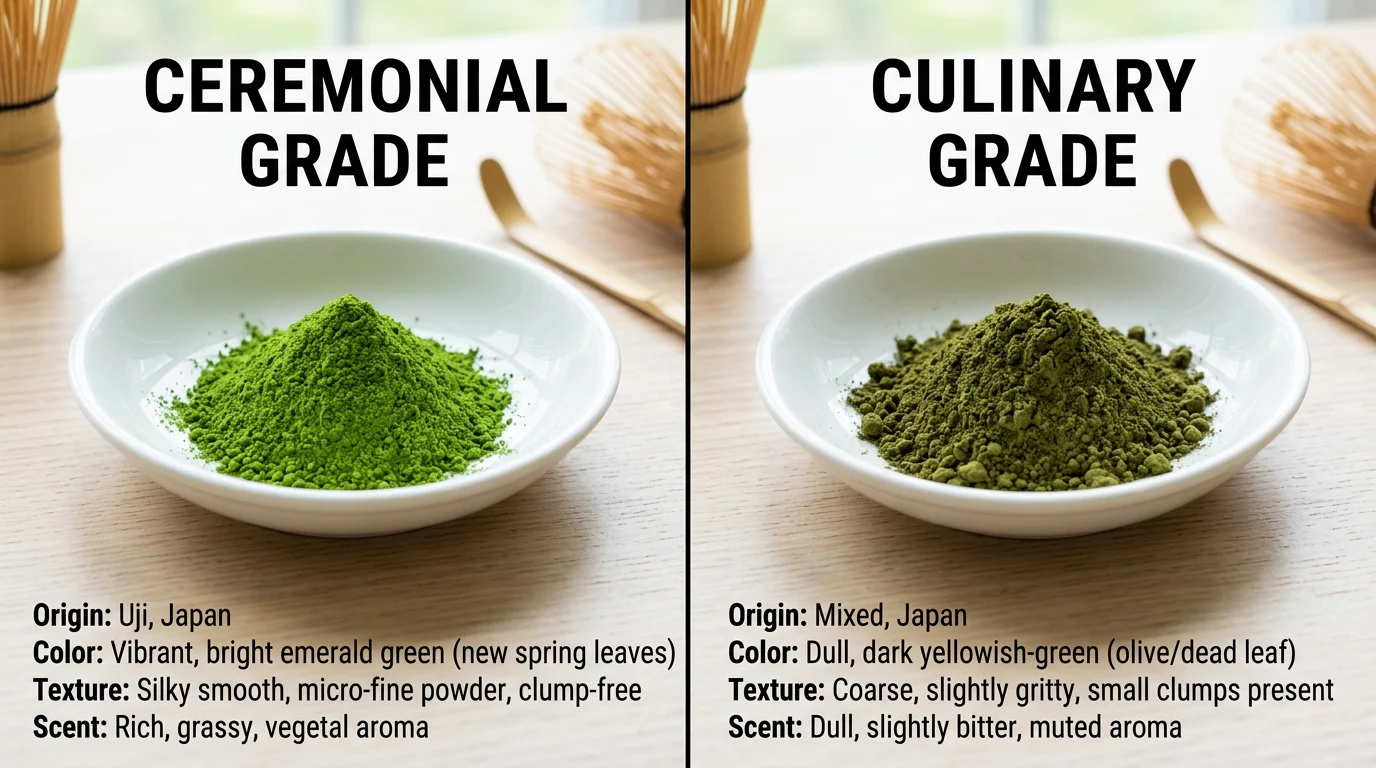
Ceremonial Grade vs. Culinary Grade
The biggest decision you’ll make is choosing between the two main grades:
- Ceremonial Grade Matcha: Made from the youngest, most delicate leaves at the top of the plant. It has a vibrant, electric green color and a naturally sweet, smooth, and umami-rich flavor. It is meant to be whisked simply with hot water or enjoyed as a premium latte. For the best ceremonial grade matcha brands, prioritize authentic sources from Japan.
- Culinary Grade Matcha: Made from older leaves further down the stem, this grade has a more robust, astringent flavor. It is perfect for baking, blending into smoothies, or cooking, where its strong profile can hold up against other ingredients.
What to Look For (The Quality Checklist)
When figuring out where to buy authentic Japanese matcha, keep these golden rules in mind:
- Origin: Look for matcha grown in regions renowned for rigorous agricultural standards, such as Uji, Kagoshima, or Shizuoka in Japan.
- Color: Quality matters visually. You want a bright, popping green. A dull yellow, brownish, or army green hue indicates lower quality or oxidation.
- Packaging: Matcha’s delicate compounds degrade quickly when exposed to light and oxygen. Only purchase matcha in opaque, airtight tins or non-transparent resealable pouches.
Quick Recipe: How to Make the Perfect Matcha Latte at Home
You don’t need to spend $7 at a fancy cafe. Learning how to make a matcha latte at home is simple. While traditionalists use a bamboo whisk (chasen) to properly aerate the tea and prevent bitterness, a handheld electric milk frother works wonderfully for beginners.
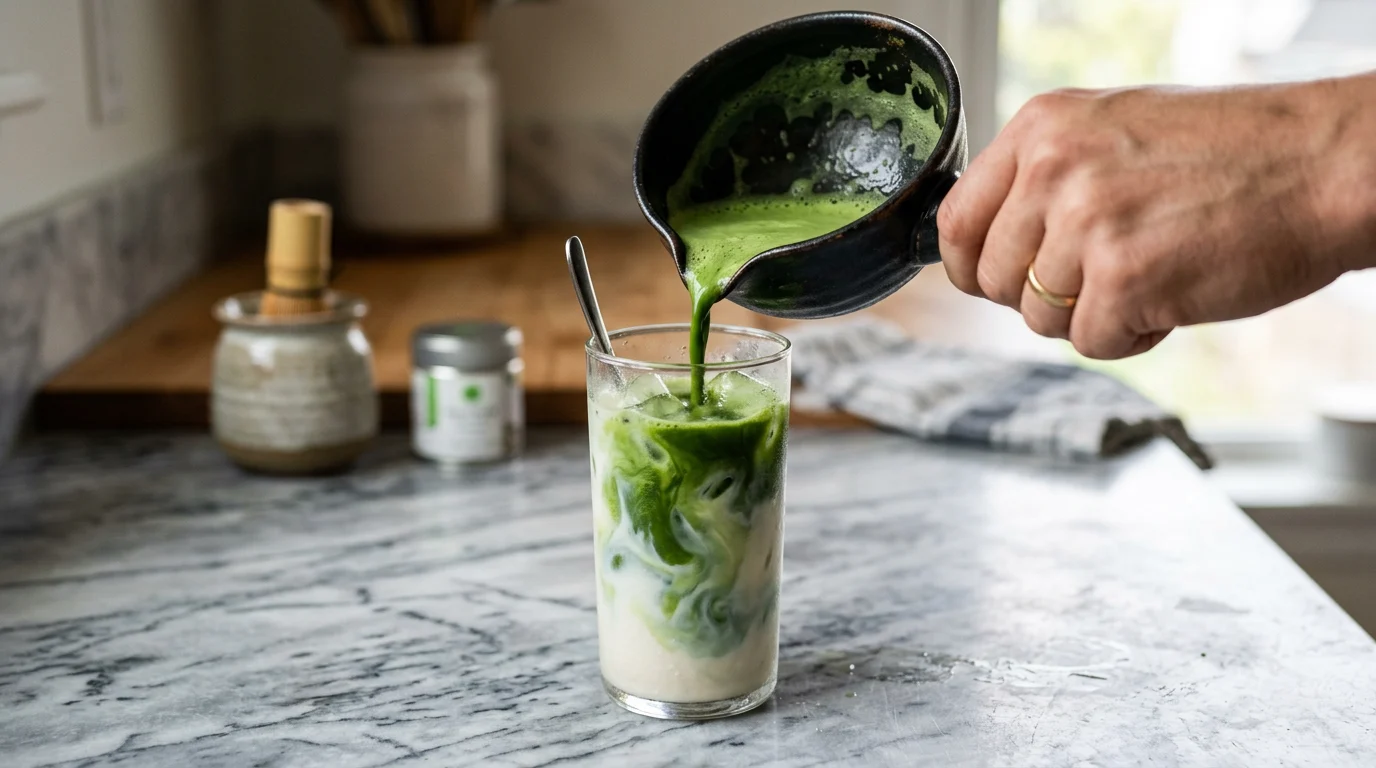
The 3-Step Perfect Latte:
- Step 1: Sift. Sift 1 to 1.5 teaspoons of ceremonial grade matcha powder into your mug to prevent clumps.
- Step 2: Whisk. Add about 2 ounces of hot, but not boiling water (around 175°F / 80°C). Boiling water will scorch the delicate tea leaves, destroying some antioxidants and causing a bitter taste. Whisk vigorously in a “W” or “M” motion until a layer of fine foam appears.
- Step 3: Pour & Enjoy. Pour your brewed matcha over ice or top it off with steamed milk. Unsweetened oat milk pairs exceptionally well with the earthy flavor of matcha.
Frequently Asked Questions (FAQ)
Q: Is it safe to drink matcha tea everyday?
Yes. Drinking 1 to 2 cups of matcha daily is considered safe and beneficial for most healthy adults. It provides a consistent stream of antioxidants and supports metabolic health. However, pregnant individuals or those highly sensitive to caffeine should consult a healthcare provider regarding daily limits.
Q: Are there any side effects of matcha tea?
Generally, no, if consumed in moderation. Because matcha contains caffeine, consuming excessive amounts—especially late in the day—can cause sleep disturbances or mild stomach upset.
Q: Does matcha have more caffeine than coffee?
No. A standard cup of matcha typically contains about 30 to 70 milligrams of caffeine, whereas a brewed cup of coffee averages around 95 to 140 milligrams. The slower absorption rate of matcha’s caffeine also prevents the sudden spikes associated with coffee.
Conclusion: Ready to Make the Switch?
Swapping out your regular cup of coffee for a vibrant bowl of matcha is more than just a social media trend—it is a science-backed investment in your daily wellness.
From providing sustained, focused energy to delivering a potent dose of disease-fighting antioxidants, the advantages of matcha tea are compelling. Whether you want to support your cardiovascular health, improve cognitive function, or find a healthier morning ritual, this traditional Japanese staple delivers comprehensive benefits.