
The global demand for matcha is exploding, but for B2B buyers, sourcing this vibrant green gold is often a minefield. Imagine launching a premium matcha latte or a private label brand, only to receive a bulk shipment of dull, yellowish powder that tastes unpleasantly bitter. It ruins your product, damages your brand reputation, and wastes your budget. Even worse, relying on inconsistent middlemen can lead to sudden stockouts during your peak season.
The ultimate solution to protecting your brand and profit margins is cutting out the trading companies and partnering directly with a reliable matcha powder manufacturer. But with thousands of suppliers claiming to offer “premium quality,” how do you separate the real source factories from the resellers?
In this complete sourcing guide, we will walk you through exactly how to vet a wholesale matcha supplier like an industry insider. From decoding product grades and tracing the manufacturing process to verifying lab reports and negotiating OEM packaging services, you will learn everything you need to know to secure a stable, high-quality, and cost-effective matcha supply chain for your business.
Choose the Right Matcha Grade
One of the most common mistakes B2B buyers make is simply asking a supplier for “your best matcha.” A professional matcha powder manufacturer knows that the “best” grade depends entirely on your product application, target audience, and expected ROI. Purchasing an expensive ceremonial grade for baking is a waste of money, while using a culinary grade for a traditional tea ceremony will ruin your brand image.
Here is how to align your wholesale order with your specific business model:
Ceremonial Grade: For Private Labels
Crafted from the youngest, most tender first-harvest (first flush) leaves, this is the highest tier available. It boasts a vibrant neon-green color, a silky texture, and a naturally sweet, rich umami flavor with absolutely zero bitterness.
- Best for: High-end D2C brands, traditional teahouses, and entrepreneurs looking to start a private label matcha business.
- The ROI: While the bulk price is higher, ceremonial matcha commands a premium retail price, allowing you to build a luxury brand identity and achieve excellent profit margins.
Premium Grade: For Cafe Lattes
This grade is specifically formulated for high-volume beverage service. It strikes the perfect balance between quality and cost. A reliable supplier will ensure this grade has a robust flavor profile that doesn’t get lost or turn a murky grey when mixed with dairy, oat milk, or sugary syrups.
- Best for: Coffee shop chains, boba tea franchises, and cafe supplies wholesale distributors.
- The ROI: It provides consistent, visually stunning green lattes that customers love to post on social media, driving repeat foot traffic to your stores without eating into your operational costs.
Culinary Grade: For Baking & Supplements
Harvested slightly later in the season, culinary matcha has a stronger, more astringent flavor profile. This is actually a major advantage, as the distinct green tea taste can push through other strong ingredients like flour, butter, and artificial sweeteners. Furthermore, it retains its color and flavor even after high-temperature processing.
- Best for: Commercial bakeries, ice cream factories, and health brands sourcing culinary matcha for baking or nutritional supplements (like protein powders and energy bars).
- The ROI: Offered at highly competitive bulk pricing, it drastically lowers your manufacturing costs while still allowing you to claim the lucrative “made with real matcha” label on your packaging.
Verify the Source & Manufacturing Process
Anybody can put green tea powder in a bag and call it matcha. However, a true matcha powder manufacturer controls the quality from the soil to the mill, whereas trading companies simply buy whatever is cheapest on the market that day.
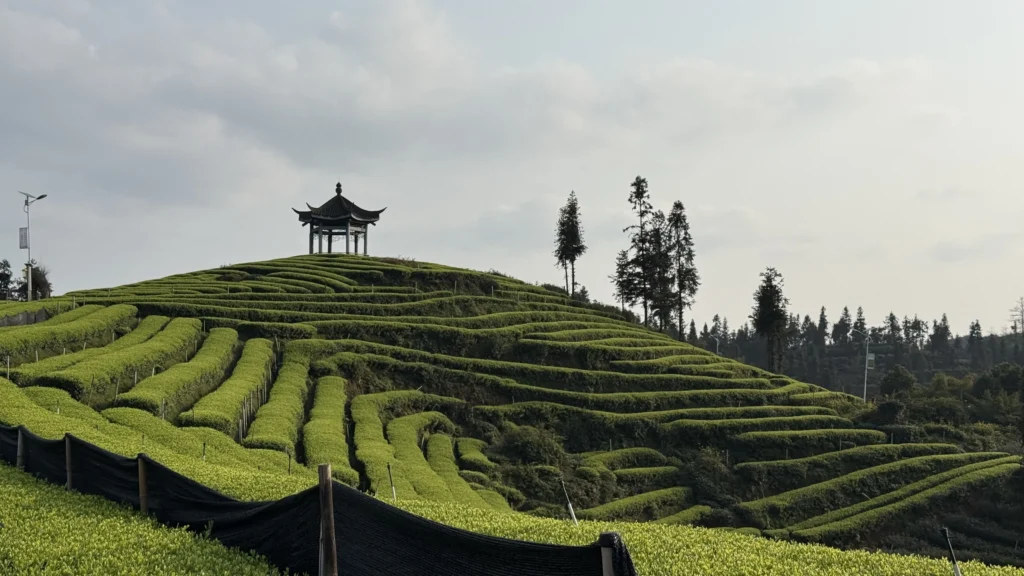
To guarantee consistent quality, color, and taste for your brand, you must ask potential suppliers about their upstream processing. Here is the exact manufacturing process you should look for to separate the experts from the amateurs:
- Shade-Grown Cultivation for Vibrant Color: Authentic matcha doesn’t happen by accident. About 20 to 30 days before the spring harvest, the tea bushes must be covered to block out direct sunlight. Why does this matter to your business? Because sourcing shade-grown green tea forces the plant to overproduce chlorophyll and L-theanine. This is the exact scientific reason why premium matcha has a neon-green color and a sweet, umami flavor rather than a harsh, astringent bite.
- Steam Processing to Lock in Freshness: Once harvested, the leaves must be steamed immediately. Unlike traditional pan-fried green teas, steam processing halts oxidation instantly. This crucial step is what prevents the tea leaves from turning brown or yellow, locking in that signature bright green hue your customers expect.
- Refining into Pure Tencha: After steaming and drying, a professional factory will meticulously use air machines to separate and remove the stems and veins from the leaf. What remains is the pure, raw flake material of matcha, known in the industry as Tencha. Pro tip: If a supplier doesn’t know what Tencha is, they are likely trying to sell you low-grade, whole-leaf crushed green tea instead of real matcha.
- Low-Temperature Grinding: Heat is the ultimate enemy of matcha. Whether using traditional stone-ground mills or state-of-the-art cold-milling cleanrooms, low-temperature grinding is strictly required. If a factory uses cheap industrial friction grinders, the heat will literally burn the tea powder during the milling process, destroying its delicate aroma and turning your investment into a dull yellowish-brown powder before it even reaches your warehouse.
Request COA & Organic Certifications
In the B2B food and beverage industry, trust is good, but verifiable data is better. A product recall due to contaminated ingredients can instantly bankrupt a private label or destroy a cafe’s reputation. When selecting a matcha powder manufacturer, food safety and transparent documentation are non-negotiable. If a supplier hesitates, makes excuses, or refuses to provide recent paperwork, walk away immediately.
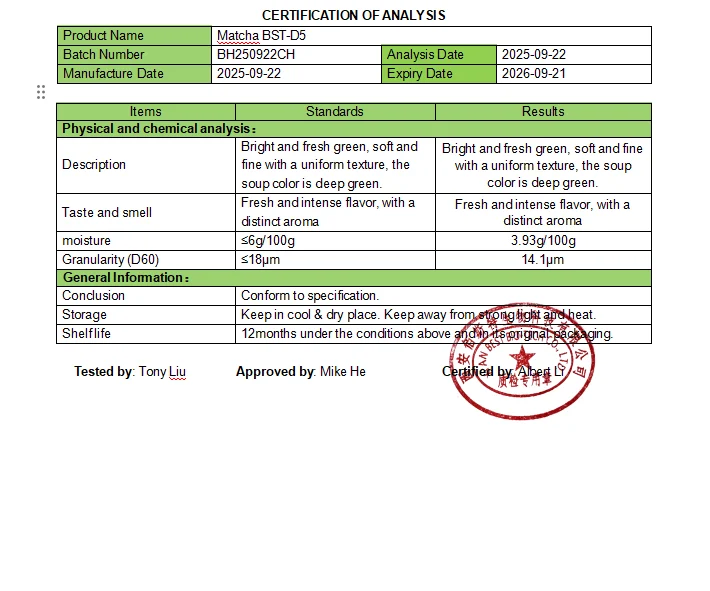
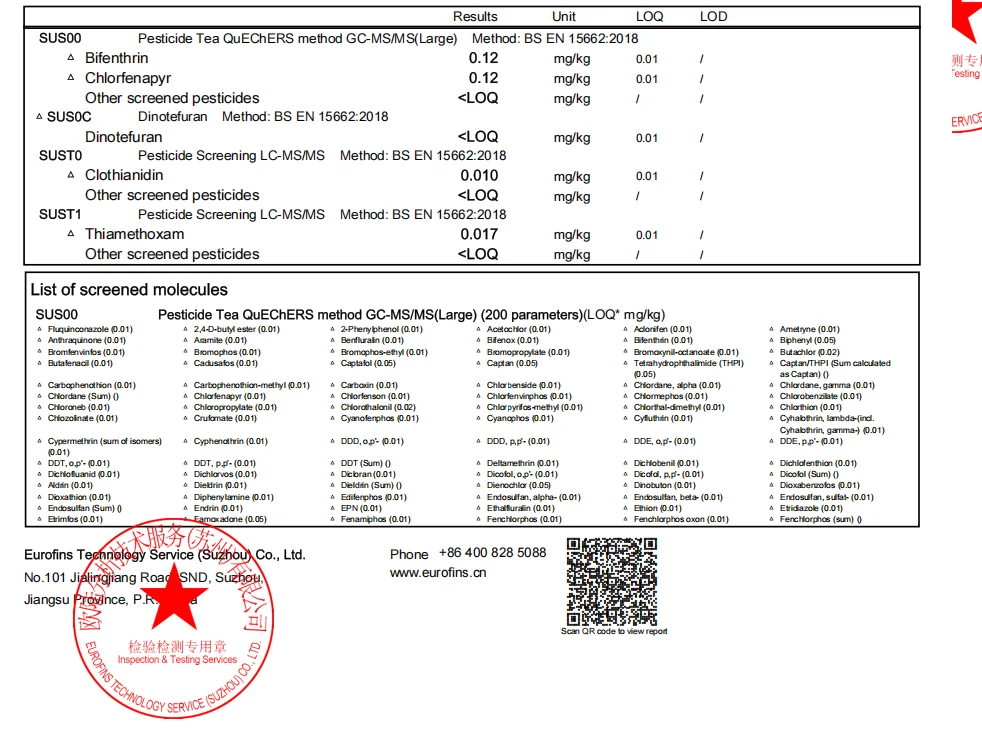
Here is exactly what you need to request to ensure your matcha is safe, legal to import, and ready for retail:
- The Ultimate Lie Detector: The COA: Never buy bulk matcha without first reviewing the batch-specific COA (Certificate of Analysis) from an independent, third-party laboratory. This document is the factual proof of what is actually in the green powder you are buying.
- Strict Heavy Metal Testing: Unlike traditional green tea where you steep the leaves and throw them away, consuming matcha means you are ingesting the entire tea leaf. Therefore, rigorous heavy metal testing is mandatory. You must check the COA specifically for Lead (Pb), Arsenic (As), and Cadmium (Cd) levels to ensure they fall well below the strict FDA or European safety thresholds.
- Pesticide Residue Free Guarantees: Tea plants are highly susceptible to insects, meaning cheap matcha is often loaded with chemicals. To protect your customers, demand a pesticide residue free report.
- Organic Certifications for Premium Markets: If you are marketing to health-conscious consumers, conventional matcha won’t cut it. You need a manufacturer that holds legitimate, verifiable USDA Organic and EU Organic certifications. These badges not only guarantee clean farming practices but also allow you to price your retail products significantly higher.
Compare OEM, MOQ & Packaging Services
Finding a high-quality green powder is only half the battle. Getting it packaged, branded, and delivered to your warehouse without tying up all your cash flow is the real challenge. Many traditional factories will shut the door on you unless you can order thousands of kilograms at once.
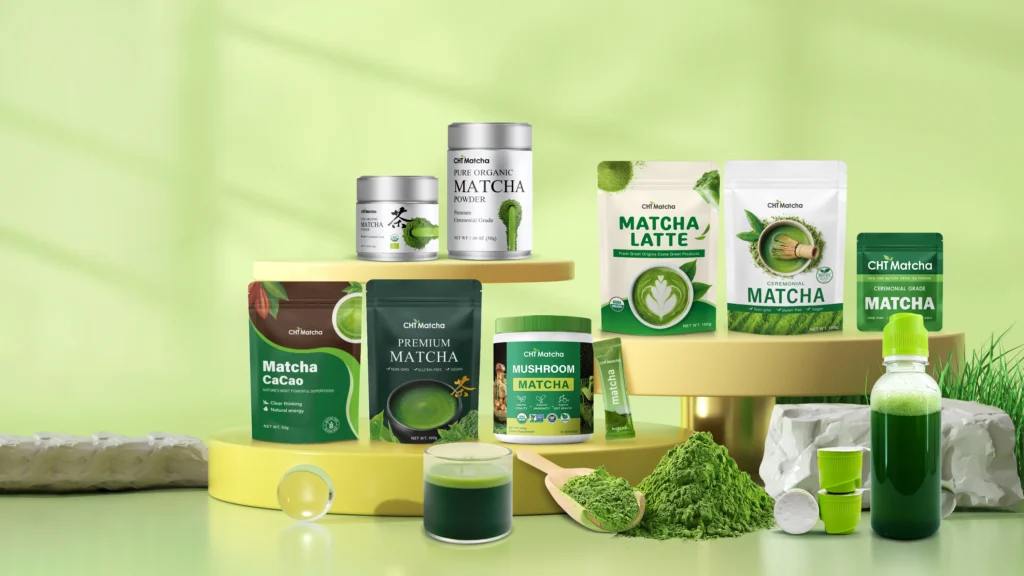
A truly supportive matcha powder manufacturer acts as your growth partner, offering turnkey solutions that allow you to scale at your own pace. Here is what you should look for in their B2B service agreements before signing a contract:
- Flexible MOQ (Minimum Order Quantity): High MOQs kill innovation and drain startup capital. Whether you are a new D2C brand testing the market or a cafe chain expanding its menu, look for a supplier with a flexible, tiered MOQ policy. This allows you to launch with lower financial risk and smoothly scale up your bulk orders as your sales grow.
- Turnkey OEM & Private Label Services: You should be focusing on marketing and sales, not mixing and bagging powder in a rented commercial kitchen. A top-tier manufacturer offers complete private label matcha and OEM/ODM services. This means they handle everything from custom blending (like mixing matcha with collagen, adaptogens, or latte sweeteners) to safely filling and sealing the final product under your brand name in a certified cleanroom.
- Retail-Ready Custom Packaging: Your packaging is your silent salesperson. Your supplier should offer a wide range of options tailored to your target audience. This includes premium custom matcha tins (perfect for preserving the freshness of ceremonial grades), resealable foil pouches for e-commerce dropshippers, or single-serve stick packs for on-the-go consumers.
- Bulk Wholesale Formats: If you are a commercial bakery, an ice cream factory, or a large-scale distributor, your supplier must be able to provide sturdy, moisture-proof 20kg to 25kg bulk drums. This ensures safe international transit, protects the powder from light and humidity, and simplifies your warehouse storage.
3 Red Flags of a Bad Matcha Supplier
Knowing what to look for in a top-tier matcha powder manufacturer is vital, but knowing who to avoid can literally save your business. The market is flooded with trading companies and unscrupulous factories selling subpar green tea powder disguised as premium matcha.
If you encounter any of these three warning signs during your sourcing process, consider it an immediate dealbreaker:
1. The Color is Dull, Yellowish, or Muddy Brown
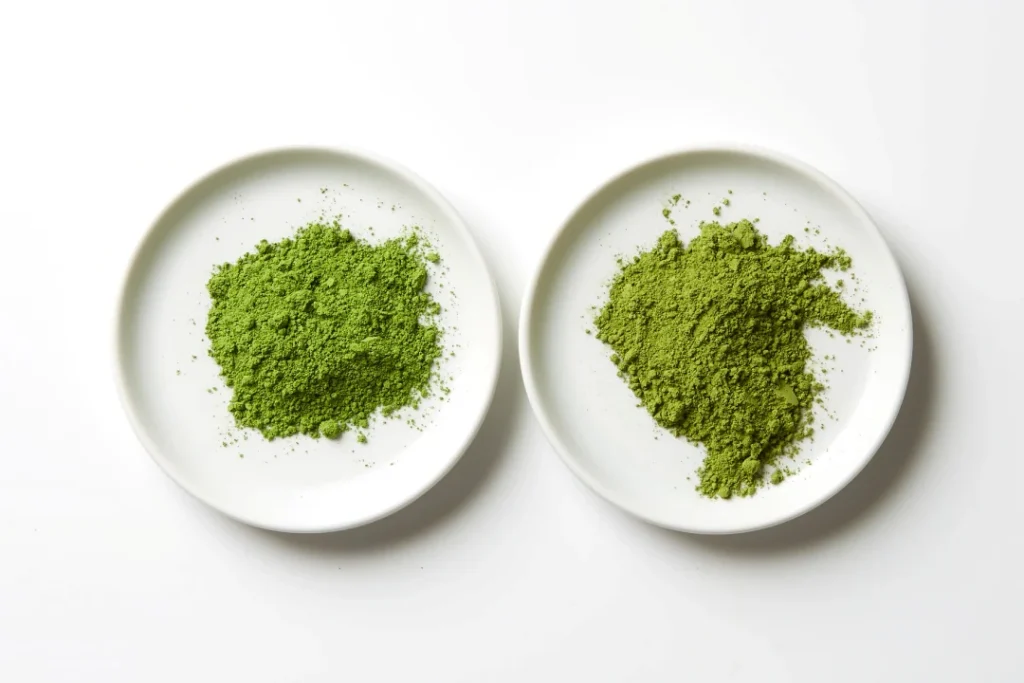
Authentic matcha should always feature a vibrant, electric-green hue. If a supplier sends you a photo or a sample that looks muddy, yellowish, or dull gray, throw it in the trash. This discoloration is a dead giveaway that the factory skipped the crucial shade-growing process, used old, low-grade leaves, or literally burned the tea by using cheap, high-friction industrial grinders. Your customers drink with their eyes first; a muddy latte will destroy your repeat business.
2. The Price is “Too Good to Be True”
Producing real matcha is an incredibly labor-intensive and time-consuming process. From the precise 20-day shading to the meticulous stem-removal and low-temperature milling, quality costs money. If a wholesale matcha supplier quotes you an unbelievably low rock-bottom price, you are likely buying regular, crushed sencha (green tea) leaves, not matcha. In worst-case scenarios, suspiciously cheap powders are bulked up with hidden fillers or even artificial food coloring.
3. They Refuse or Hesitate to Send Samples
A legitimate manufacturer is proud of their product and confident that their quality will win your business. If a supplier makes endless excuses, demands a massive upfront bulk order before you can taste the product, or refuses to send a small B2B sample, walk away immediately. They either don’t actually manufacture the product themselves, or they know their quality cannot survive a side-by-side taste test.
Wholesale Matcha FAQs
When transitioning to a new wholesale matcha supplier, B2B buyers naturally have logistical questions. Here are the direct answers to the most common inquiries we receive:
Q: What is the MOQ (Minimum Order Quantity) for private label matcha?
A: As a direct matcha powder manufacturer, we believe in supporting brands at every stage of growth. While standard bulk raw materials (packed in drums) typically start at 10kg to 25kg, our custom private label matcha services (like printed tins or retail pouches) have flexible, low-barrier starting points—often as low as 500 to 1,000 units. Reach out to our team to discuss a custom pilot run for your brand.
Q: How can I test the quality of a matcha sample once I receive it?
A: Do the “Paper Test” and the “Lather Test.” First, smear a pinch of the powder across a piece of white paper. High-quality, stone-ground matcha will leave a long, solid, vibrant neon-green line and feel as fine as baby powder. Low-quality matcha will feel gritty and look yellowish. Next, whisk it with hot water (around 175°F/80°C). A premium grade will froth quickly, suspend beautifully in the water without sinking immediately, and deliver a smooth, umami-rich flavor with zero harsh bitterness.
Q: What is the typical lead time for bulk orders?
A: Speed to market is critical. For standard bulk matcha powder that is currently in stock, we typically process and dispatch within 3 to 7 business days. For fully customized OEM orders—which include custom blending, packaging design, and filling—the lead time is generally 3 to 5 weeks. We provide a guaranteed production timeline before you ever pay a deposit.
Request Your B2B Matcha Sample
Sourcing the perfect green tea powder shouldn’t feel like a gamble. Your customers deserve the vibrant color and smooth taste of authentic matcha, and your business deserves the high profit margins and peace of mind that come from working with a true source factory.
Finding the right partner takes time, but verifying their quality is the easiest part of the process. Reading about our meticulous shade-growing process, low-temperature milling, and strict organic certifications is one thing; experiencing the rich umami flavor in your own cafe or formulation is another.
Don’t leave your brand’s reputation to chance with unverified trading companies. Stop guessing, and start tasting.
Ready to upgrade your matcha supply chain?